 Brain & Focus
 Energy & Endurance
 Stress & Relaxation
 Heart health
 Immunity


-
×
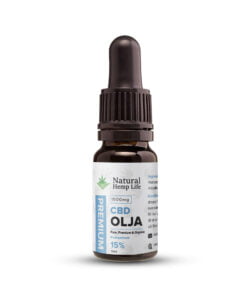 CBD Oil 15% (1500mg)
1 × 37 €
CBD Oil 15% (1500mg)
1 × 37 € -
×
 Somni Drops (CBD + Melatonin)
1 × 28 €
Somni Drops (CBD + Melatonin)
1 × 28 €

05
May
May
Senest opdateret: June 2026
The menstrual cycle can influence both body and mind in many different ways. A lot of people who menstruate recognise the days before their period all too well: moods can swing faster, energy dips, the belly feels bloated and cramps make everyday life more demanding.
Global estimates suggest that a large share of people who menstruate experience premenstrual symptoms every month, and that roughly 3–8 % live with more severe, cycle-linked mood symptoms that can significantly affect daily life, often described as premenstrual dysphoric disorder (PMDD).
At the same time, many are actively looking for ways to understand and navigate their cycle better – through medical care, lifestyle changes and different forms of self-care. In that context, CBD oil is sometimes mentioned as a possible food supplement. CBD is not a medicine and is not an approved treatment for PMS, PMDD, endometriosis or menopausal symptoms, and any effects cannot be promised in advance. Some individual users describe that they notice changes in, for example, evening calm or everyday comfort, while others do not experience any difference at all.
This guide gives an overview of how CBD oil is sometimes discussed in relation to PMS, menstrual pain, endometriosis and the menopause – with a focus on the bigger picture, caution and up-to-date information from healthcare and research. It is not medical advice and does not replace contact with a doctor or other qualified healthcare professional.
Quick overview
- CBD: A non-psychoactive cannabinoid from hemp that does not make you “high”.
- How it’s used: Sometimes taken as a food supplement alongside PMS, period pain, headaches, stress and mood swings – but it is not an approved treatment for any of these conditions.
- Safety: In scientific reviews, CBD is generally described as having a relatively favourable safety profile at typical doses, but side effects and interactions with medicines can occur and sensitivity varies from person to person.
- Common formats: CBD oil, capsules, topical creams/balms.
- The bigger picture: When CBD is used, it is usually as one small piece next to established self-care: sleep, stress management, nutrition, movement – and, where needed, medical treatment and follow-up.
What are PMS and PMDD?
PMS (premenstrual syndrome) is a broad term for symptoms that appear before a period. The most common complaints include mood swings, irritability, bloating, headaches, tiredness, cramps and tender breasts. International estimates suggest that a majority of people who menstruate experience some level of PMS-related symptoms over their lifetime.
For a smaller group (roughly 3–8 %) the symptoms become so intense that they strongly affect work, relationships and mental wellbeing. This is often referred to as PMDD (premenstrual dysphoric disorder) and typically involves pronounced mood swings, anxiety and low mood linked specifically to the premenstrual phase.
CBD alongside PMS and menstrual discomfort
CBD (cannabidiol) is a naturally occurring compound from hemp that research has linked to the body’s stress and recovery systems. The scientific evidence for PMS and PMDD is still limited and far from conclusive, and there are currently no official recommendations that make CBD a recognised treatment for these conditions. CBD should therefore only be seen as a voluntary food supplement that some individuals choose to explore on their own, after reading up and – where needed – talking with a healthcare professional.
Personal stories from users tend to fall into three main themes:
- Calmer evenings and, for some, a gentler wind-down before sleep
- A subjective sense of more everyday comfort when cramps, tense muscles or bloating are most noticeable
- A feeling of slightly more even mood during the days when cycle-related symptoms usually peak
Experiences vary widely, and for many people CBD does not make a noticeable difference at all. If CBD oil is used in connection with PMS-related symptoms, it should therefore be as a cautious complement – never instead of proper assessment, treatment or follow-up from healthcare.

Common period-related symptoms – and where CBD is sometimes mentioned
Period pain and muscle tension
Period pain is caused by contractions in the uterine muscles and can range from mild discomfort to intense cramps. Some people choose to use CBD oil, capsules or topical creams as part of their self-care routine, often together with heat (for example a hot water bottle), gentle movement and rest. CBD does not replace pain relief or other medical treatment, but for some it becomes an additional tool alongside what their doctor recommends.
Mood swings and stress
PMS can strongly affect stress levels and mood. In preclinical and early clinical research, scientists have explored how CBD may interact with the body’s endocannabinoid system and other signalling systems involved in stress and emotional regulation. The findings so far are interesting but still limited and not strong enough to draw firm conclusions for PMS or PMDD.
Some individuals describe a subjective sense of evening calm or a slightly more balanced everyday feeling when CBD is part of their routine, while others notice no change at all. These personal stories are not proof of effect, but they help explain why CBD has become part of the broader conversation about cycle-related wellbeing.
Headaches and migraine
For some, PMS is linked to tension headaches or menstrual migraine. A few people choose to adjust their CBD routine around the days when symptoms tend to be strongest, in addition to established advice on hydration, regular meals, rest and any prescribed medication. With recurring or severe headache, it is always important to seek medical advice – food supplements should never replace proper examination or treatment.
Which CBD formats do users tend to choose?
CBD oil
- Flexibility: Drop-by-drop dosing that can be adjusted gradually.
- Time to perceived effect: Some users say they notice a difference within 15–45 minutes, others feel no change at all.
- Typical use: As part of an evening routine for winding down.
Explore the range: CBD oil
CBD capsules & topical creams
- Capsules: Provide a fixed amount per capsule and can be convenient in everyday life.
- Creams/balms: Applied locally, for example over the lower belly, lower back or tense muscles.
- Combination: Some people combine oil or capsules with a topical product in their routine.
See capsules: CBD capsules
Endometriosis – symptoms, diagnosis and self-care
Endometriosis is estimated to affect up to one in ten people who menstruate and is recognised as a complex gynaecological condition. Tissue similar to the lining of the uterus grows outside the uterus and can cause symptoms such as severe period pain, pelvic pain, pain during intercourse, long-term fatigue and problems related to the bowels or bladder. Many also describe a heavy mental burden and a long journey to diagnosis.
CBD is not a cure and not a treatment for endometriosis. Some individuals report that they feel a bit more everyday comfort or relaxation when they use CBD as a food supplement alongside other forms of self-care such as heat, gentle stretching, mindfulness, yoga or breathing exercises. With severe pain or suspicion of endometriosis, it is always essential to contact healthcare for proper assessment and a tailored treatment plan.
Dosing and tracking your own response
A cautious approach is to start low and increase slowly if you decide to test CBD oil. How your body responds is influenced by many factors: where you are in your cycle, current stress levels, sleep, diet and any medicines you take. Some people use a simple journal where they note dose, time of day, mood, pain/comfort and sleep quality to see whether they notice any change over time – or not.
Safety and tolerance
Fact box: CBD’s safety profile
- In available scientific reviews, CBD is generally described as relatively well tolerated at typical doses, but this does not rule out side effects.
- Commonly reported reactions include tiredness, dry mouth or changes in appetite – usually mild and transient.
- CBD can interact with certain medicines via liver enzymes (CYP450). If you are on medication, are pregnant/breastfeeding or have known medical conditions, always speak with your doctor before adding CBD.
Popular choices among users
Some people choose to start with a base oil so they can fine-tune the dose more flexibly, add capsules for convenience and use a topical cream when needed. Others decide not to use CBD at all – both choices are equally valid. The most important thing is that you feel informed and in control of your own plan.
Our products
-50%
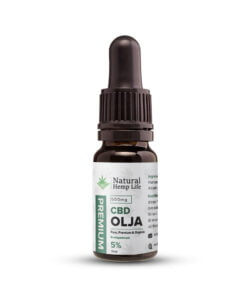
Original price was: 27 €.14 €Current price is: 14 €.
-50%
Original price was: 73 €.37 €Current price is: 37 €.
-50%
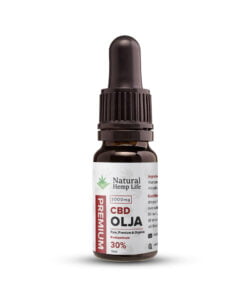
Original price was: 99 €.50 €Current price is: 50 €.
-50%

Original price was: 55 €.28 €Current price is: 28 €.
-50%
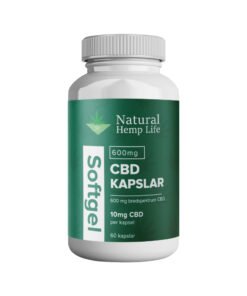
Original price was: 50 €.25 €Current price is: 25 €.
-50%
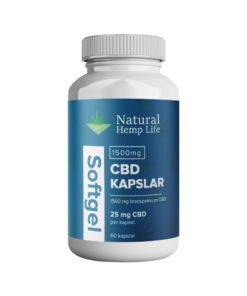
Original price was: 91 €.46 €Current price is: 46 €.
THC and endometriosis – what does research say?
Research on THC (tetrahydrocannabinol) and endometriosis is still at an early stage. THC is a psychoactive cannabinoid that, unlike CBD, alters perception and is strictly controlled in most European countries outside of regulated medical use.
Preclinical studies have explored whether THC might influence pain signalling and inflammation related to endometriosis, but results are limited and do not yet provide a solid basis for general treatment recommendations. There are also personal reports from individuals who feel relief from cannabis-based preparations – often combinations of CBD and THC – but such experiences cannot be directly translated into safe or legal treatment plans.
Across Europe, non-medical use of THC is generally illegal. If you want to discuss medical options that could include THC, this must always be done with a doctor, within the legal framework and national guidelines that apply in your country.
CBD during the menopause
The menopause involves gradual changes in hormone balance and can lead to symptoms such as hot flushes, night sweats, sleep difficulties, mood swings and low energy. Research specifically on CBD oil for menopausal symptoms is limited, but interest has grown among those who are looking for support alongside established options such as hormone therapy, lifestyle changes and other treatments prescribed by healthcare professionals.
Some individuals report that they subjectively experience CBD as supportive in their evening routines, mainly around winding down and sleep. It is important to emphasise that CBD does not replace medical treatment for menopausal symptoms; at most it can be one component of self-care alongside regular movement, stress management and good sleep hygiene.
CBD and hormone balance
Hormonal fluctuations affect many functions in the body, including mood, energy, sleep and stress levels. In some preclinical studies, researchers discuss how CBD may interact with the endocannabinoid system (ECS), which in turn is linked to neurotransmitters such as serotonin and to stress-related hormones. The evidence is still far from sufficient to claim that CBD “balances hormones”.
User experiences often describe a sense of a more even everyday rhythm when CBD is included in a broader routine, but these are subjective and highly individual. CBD should be seen as a possible complement for those who, after reading up and, if needed, talking with their doctor, still wish to try it – not as a solution to hormonal problems.
Frequently asked questions (FAQ)
Can CBD relieve PMS or period pain?
CBD is not a medicine and there are no guarantees of effect. Some individuals describe that they feel more comfortable when CBD is included in a broader routine with rest, heat, movement and stress management, while others notice no difference at all. With pronounced pain or a strong impact on everyday life, healthcare should always be the first point of contact.
Can CBD replace treatment for endometriosis?
No. Endometriosis is a medical diagnosis that requires assessment and follow-up by healthcare professionals. CBD can at best be one separate food supplement alongside medical treatment and other forms of self-care, but it should never be seen as an alternative to proper investigation or treatment.
Which format do most people choose for menstrual-related symptoms?
Many people who want flexibility choose oil so they can adjust the dose drop by drop, capsules for a more predictable intake, and creams for local application. Quite a few combine several formats, others decide not to use CBD at all. There is no single format that is “best” for everyone – it is about what works in your life.
How long should I try CBD before I evaluate it?
A common self-care approach is 2–4 weeks with a relatively stable dose and simple notes on sleep, symptoms and everyday life. If you do not notice any change, it may be a sign that CBD is not making a major difference for you – and that your energy is better invested in other strategies together with healthcare.
Can I combine CBD with exercise, heat and stretching?
Many people who use CBD do so as part of a broader plan: heat, gentle movement, hydration, rest and stress-reducing routines. CBD does not replace these elements; if it is used at all, it is usually layered on top of them. With new or worsening symptoms, it is always more important to contact healthcare than to adjust food supplements.
Block "disclaimer-ej-lakemedel-blogg-inlagg" not found
 CBD Oil 15% (1500mg)
  Somni Drops (CBD + Melatonin)


