 Brain & Focus
 Energy & Endurance
 Stress & Relaxation
 Heart health
 Immunity



-
×
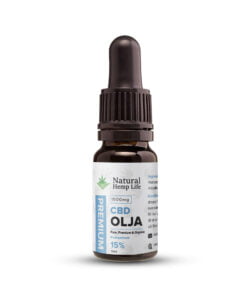 CBD Oil 15% (1500mg)
1 × 37 €
CBD Oil 15% (1500mg)
1 × 37 €

23
May
May
Senest opdateret: June 2026
CBD Oil & Fibromyalgia – What Research, Real-Life Stories & New Theories Suggest
Fibromyalgia is estimated to affect around 2–4% of adults in many countries – most of them women – and can touch every part of daily life:
pain, sleep, energy, mood and the feeling of being “yourself”.
As a result, more and more people are exploring CBD oil alongside fibromyalgia as a way to support quality of life, recovery and inner balance.
In this guide, we walk through current research, the endocannabinoid system, and how CBD is often used as a complementary tool – never a replacement for medical care –
for people who want to give themselves a real chance at softer days and calmer nights.
Fibromyalgia is a chronic pain syndrome that involves muscles, joints and the nervous system.
Classic treatments can help – but many people still feel they are “only surviving”.
That is one reason why interest in plant-based options such as CBD oil has grown so strongly in recent years.
CBD is not a cure and not an official medicine for fibromyalgia.
At the same time, research is exploring how CBD interacts with the body’s
endocannabinoid system (ECS)
, a regulatory network involved in pain signalling, stress response, sleep and mood.
For some people, this has opened the door to a more hopeful, holistic way of working with their symptoms.
Below we go through what the science actually says, how theory and practice fit together – and how CBD is usually introduced step by step as a gentle
addition to an existing fibromyalgia plan.
Quick facts: CBD & fibromyalgia
- Prevalence: Fibromyalgia affects roughly 2–4% of the population in many countries according to rheumatology organisations such as the American College of Rheumatology and public health data.
- Key features: Widespread pain, fatigue, sleep problems, “fibro fog” and fluctuating sensitivity to stress and stimuli.
- CBD & ECS: CBD interacts with the endocannabinoid system, which helps regulate pain, mood, stress, inflammation and sleep–wake cycles.
- Research: Studies are exploring medical cannabis and cannabinoids in fibromyalgia and chronic pain, but most data come from products that combine THC and CBD – not pure, THC-free CBD supplements.
- Forms: CBD oil, capsules and topical creams/balms are the most common ways people experiment with CBD as a complement.
What is fibromyalgia?
Fibromyalgia is a long-term condition characterised by widespread musculoskeletal pain, often combined with
pronounced fatigue, unrefreshing sleep and cognitive difficulties such as problems with focus and memory (“fibro fog”).
Rheumatology and pain specialists increasingly describe it as a central sensitisation syndrome – the nervous system becomes more sensitive, and pain signals can be amplified.
The exact cause is still unknown. Research points to altered pain processing in the brain, possible imbalances in neurotransmitters like serotonin and norepinephrine,
and interactions between stress, trauma, sleep and genetics. Public health bodies such as the
CDC
estimate that millions of adults live with fibromyalgia, often with a big impact on work and daily life.
Common symptoms
- Chronic widespread muscle pain and tenderness
- Stiffness in back, neck and joints
- Sleep disturbances and non-restorative sleep
- Persistent fatigue and low stamina
- Tingling or numbness sensations
- Concentration difficulties and “brain fog”
- Fluctuating pain sensitivity, often affected by hormones, weather, stress and overexertion
CBD and the endocannabinoid system (ECS)
CBD (cannabidiol) is a non-intoxicating cannabinoid from hemp.
It does not create a “high”, but it can influence signalling in the endocannabinoid system and other receptor systems in the body.
The ECS helps regulate pain, mood, stress, immune response, digestion and sleep.
A good scientific overview of the ECS can be found in the review
“The Endocannabinoid System: Overview and Therapeutic Opportunities”
.
Neurologist Ethan Russo has proposed the hypothesis of
clinical endocannabinoid deficiency (CECD) – the idea that certain chronic conditions, including migraine,
irritable bowel syndrome and fibromyalgia, might be linked to an under-functioning or imbalanced ECS.
This is discussed in his papers on CECD, for example in
“Clinical Endocannabinoid Deficiency Reconsidered”
.
The concept is still a theory, not proven fact – but it offers a framework for why some people with fibromyalgia
report improved comfort and wellbeing when cannabinoids are added to their routine.
What does research say about cannabinoids & fibromyalgia?
The research field is still young, but several studies have looked at medical cannabis in fibromyalgia.
Keep in mind: most of these use products that include THC (not just CBD), are prescribed under medical supervision and are not the same as standard THC-free CBD supplements.
- Fiz et al., 2011 (Spain) – In a study of fibromyalgia patients who used cannabis, many reported improvements in pain,
stiffness, relaxation and perceived wellbeing compared with non-users.
The study was observational, so it cannot prove cause and effect, but it shows how some patients experience meaningful relief.
You can read it here:
PLOS ONE – “Cannabis Use in Patients with Fibromyalgia”
. - Sagy et al., 2019 (Israel) – A prospective study followed fibromyalgia patients receiving medical cannabis for six months.
Many reported reduced pain and improved quality of life, and most tolerated the treatment well.
However, dosages and THC/CBD ratios varied.
Full article:
“Safety and Efficacy of Medical Cannabis in Fibromyalgia”
. - Systematic reviews (e.g. Strand et al., 2023) – Recent reviews conclude that cannabinoids may help relieve fibromyalgia pain for some patients,
but that studies are small, varied and not yet strong enough to give clear, universal recommendations.
One example:
“Cannabis for the Treatment of Fibromyalgia: A Systematic Review”
.
Taken together, research points toward potential benefits of cannabinoids for some people with fibromyalgia,
particularly when it comes to pain and quality of life.
At the same time, the evidence is still limited and focused largely on medical cannabis with THC.
THC-free CBD supplements – like those many people buy online – are less studied on their own, so it makes sense to approach them with both hope and realism:
they may help, especially for sleep and stress, but results are individual.
How people use CBD alongside fibromyalgia in everyday life
There is no single “right” way to use CBD with fibromyalgia.
The most important thing is to introduce it in a structured, patient way that lets you actually see whether it is helping.
Many people use CBD as a complement in three main areas:
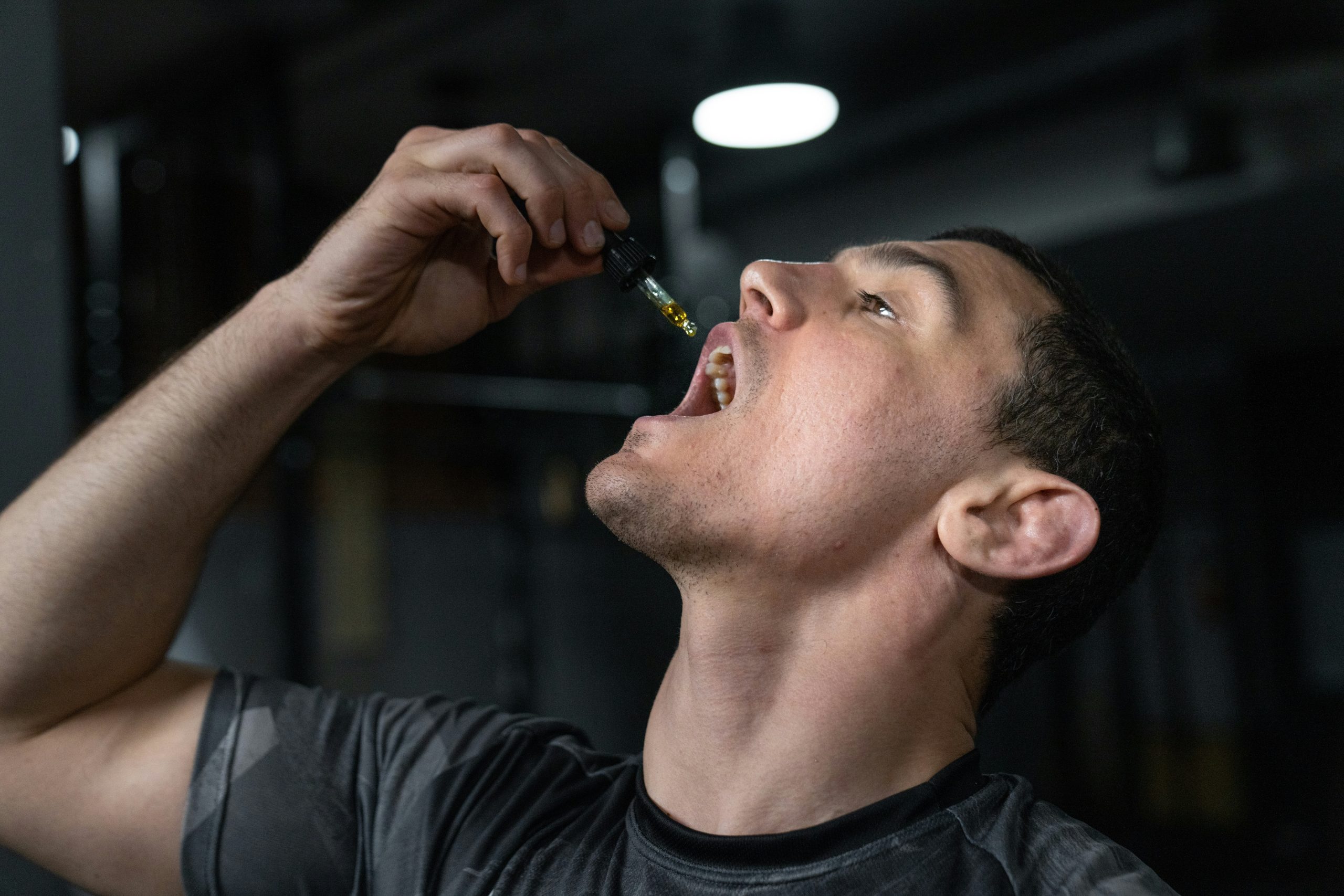
- Sleep & evening calm: a small serving of CBD oil in the evening to support winding down, deeper rest and fewer night-time awakenings.
- Daytime stress & overload: a low dose in the morning or midday to soften “fight-or-flight” responses and help the nervous system feel less overstimulated.
- Local tension: CBD balms or creams applied directly to tense areas such as neck, shoulders, lower back or around trigger points as an extra layer of comfort.
Many of our own customers describe CBD as the first tool that actually gave them the feeling of “having a little more room inside” –
more space to rest, recover and handle pain without falling apart every time life gets heavy.
For others, the effect is milder but still valuable: slightly better sleep, a bit softer mornings, or fewer days where everything feels impossible.
Example dosing principles (general, not medical advice)
| CBD form | Typical starting level | Onset time (approx.) | Duration (approx.) |
|---|---|---|---|
| CBD oil (5–15%) | 2–3 drops under the tongue, 1–2 times per day | ~15–30 minutes | 4–6 hours |
| CBD capsules | Around 10–25 mg CBD per day | ~60–120 minutes | 6–8 hours |
| Topical cream/balm | Apply a thin layer on the area as needed | ~10–30 minutes | 2–6 hours (varies by individual) |
Tip: Start low, increase slowly and give your routine at least 2–4 weeks before you decide whether CBD helps you.
Many people keep a very simple diary (pain, sleep, energy, mood) to see changes over time.
If you take prescription medicines, always talk to your doctor or pharmacist before making larger dose changes.
FAQ – CBD and fibromyalgia
Can CBD cure fibromyalgia?
No. There is currently no cure for fibromyalgia.
CBD cannot “cure” the condition or replace medical treatment.
What it can do for some people is support sleep, stress handling and how the nervous system processes discomfort – which can make life with fibromyalgia feel more manageable.
Is there a best CBD form for fibromyalgia?
Not really – the best form is the one you will actually use and can afford.
Many people start with CBD oil because it is flexible and easy to adjust.
Others prefer capsules for simplicity or add a topical cream for specific areas of tension.
You can also combine forms (for example, oil in the evening + balm locally).
Is CBD legal in Europe / my country?
In many European countries, CBD products from authorised industrial hemp with very low or non-detectable THC are allowed,
as long as they follow national rules on labelling, THC limits and how they are marketed.
However, details differ between countries, and some treat ingestible CBD as a “novel food” with stricter requirements.
Always check the current rules where you live and choose brands that publish independent lab reports and clear information.
Are there side effects?
Human studies suggest that CBD is generally well tolerated in adults, even at relatively high doses,
but mild side effects can occur – especially if you take too much too quickly.
The most commonly reported are:
- Slight drowsiness or heavier feeling in the body
- Dry mouth
- Digestive discomfort or looser stools
- Changes in appetite
CBD can also affect how the liver breaks down certain medicines (via CYP450 enzymes).
If you are taking prescription drugs – especially blood thinners, anti-epileptics or certain antidepressants – talk to your doctor or pharmacist before you add CBD.










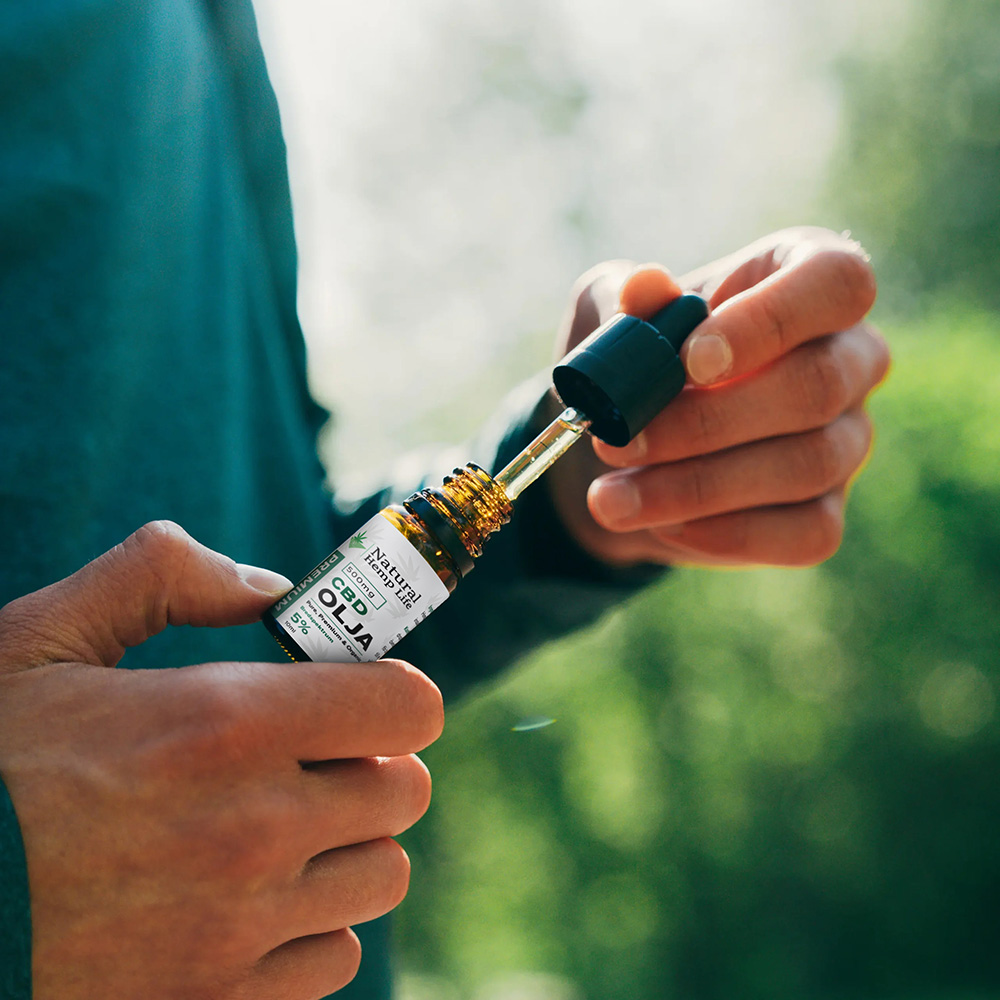


 CBD Oil 15% (1500mg)


