
 Brain & Focus
 Energy & Endurance
 Stress & Relaxation
 Heart health
 Immunity




-
×
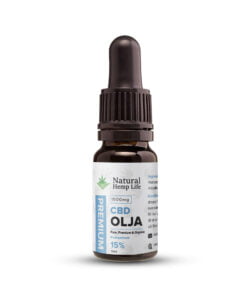 CBD Oil 15% (1500mg)
1 × 37 €
CBD Oil 15% (1500mg)
1 × 37 € -
×
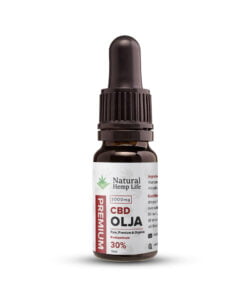
 CBD Oil 30% (3000mg)
1 × 50 €
CBD Oil 30% (3000mg)
1 × 50 € -
×
Somni Drops (CBD + Melatonin)
1 × 28 €

18
Apr
Apr
Senest opdateret: June 2026
Inflammation-related joint conditions such as osteoarthritis and inflammatory arthritis affect everyday life for many people across Europe, often for years. Symptoms can range from occasional stiffness to more persistent pain, swelling and fatigue – with consequences for mobility, sleep and energy in day-to-day life.
This guide gives an overview of how CBD oil is sometimes discussed as a possible food supplement in the context of joint health – with a focus on caution, safety, different product forms, basic dosing principles and everyday routines. The text is not medical advice and does not replace consultation with healthcare professionals.
CBD oil and joint health – osteoarthritis, inflammatory arthritis & inflammation
Osteoarthritis and inflammatory arthritis (such as rheumatoid arthritis) are among the most common joint conditions in Europe. They can lead to periods of stiffness, pain and reduced mobility, but how strongly they affect everyday life differs greatly from person to person. At the same time, many people look for ways to support their day-to-day wellbeing – not only through medicines and healthcare, but also via movement, sleep, stress management and sometimes food supplements like CBD oil.
CBD oil is not a medicine and is not a treatment for osteoarthritis, rheumatoid arthritis or any other joint disease. However, CBD is sometimes mentioned as a possible complementary option that some individuals choose to explore alongside established treatments and lifestyle changes.
Quick overview
- CBD: A non-intoxicating cannabinoid from hemp that does not produce a “high”.
- Use: Sold in many European countries as THC-free food supplements and used by some people as a voluntary addition to their daily routine.
- Safety: International reviews describe CBD as having a relatively good safety profile at typical doses, but side effects and interactions can occur.
- Research: Studies are exploring CBD in relation to inflammation and pain, but the evidence for joint diseases is still limited and does not allow firm treatment recommendations.
- User experiences: Some people report subjective changes in everyday comfort, while others do not notice any difference at all.
What are osteoarthritis and inflammatory arthritis?
Osteoarthritis
Osteoarthritis is the most common joint condition in many European countries. It is often associated with gradual changes in the joint cartilage that can lead to stiffness and pain. Public health data from organisations such as the NHS show that millions of adults live with osteoarthritis, especially in older age groups.¹ Typical symptoms include pain on load, swelling and reduced range of motion – but both intensity and impact on daily life vary widely between individuals.
Inflammatory arthritis (e.g. rheumatoid arthritis)
“Rheumatism” is an umbrella term for several inflammatory and autoimmune conditions that can affect joints, tendons and other tissues. Rheumatoid arthritis is one example and is characterised by joint inflammation, swelling, pain and sometimes flare-ups with more pronounced symptoms. The causes are complex – genetics, immune function and environmental factors are all thought to play a role.
Fact box: CBD safety profile (overview)
- International reviews from bodies such as the WHO describe CBD as relatively well tolerated at normal use levels.²
- CBD itself is non-intoxicating and does not give a “high”. THC – another cannabinoid – has psychoactive effects and is strictly controlled in most European countries.
- Side effects can occur, especially at higher doses, for example tiredness, dry mouth or changes in appetite.
- CBD can influence how some medicines are metabolised in the liver, which makes dialogue with healthcare important if you use prescription drugs.
CBD and the endocannabinoid system (ECS)
The body’s endocannabinoid system (ECS) is a signalling network linked to processes such as sleep, appetite, stress response, immune function and pain modulation.³ Researchers are investigating how compounds like CBD may influence this system indirectly, for example by modulating signalling pathways related to balance and recovery.
This is a developing field: some studies point to potentially interesting mechanisms connected to inflammation and pain perception, but the current knowledge is far from complete and is not strong enough to claim that CBD treats osteoarthritis, rheumatoid arthritis or other joint diseases.
How does CBD work in practice?
CBD, or cannabidiol, is one of many cannabinoids found in the hemp plant. Unlike THC, CBD is non-psychoactive and does not cause intoxication. Instead, it is being studied for its potential, indirect effects on the body’s own signalling systems.
Multiple experimental and clinical studies suggest that CBD can modulate several biological processes – including some related to stress, pain pathways and inflammatory mechanisms. This does not mean that the effect is the same for everyone, or strong enough to replace treatment, but it explains why researchers see CBD as one possible piece of a larger puzzle.
In everyday life, many people who try CBD oil use it as part of a broader strategy where the foundations are still movement, sleep, stress management and a considered lifestyle. For those who choose to experiment, CBD oil becomes one more tool – not the only one – in their toolbox for supporting joint comfort.
CBD and joint health – what do research and users say?
CBD oil is not an approved medicine for osteoarthritis, rheumatoid arthritis or chronic pain. Instead, research is ongoing to understand whether, and in what way, CBD might influence pain perception, inflammation and recovery. Expert organisations such as the European Pain Federation emphasise that more large, well-designed clinical trials are needed before clear treatment recommendations can be made.⁴
At the same time, many personal stories circulate, where some people highlight for example:
- a calmer evening wind-down routine
- a sense of softer recovery after activity
- a slightly more manageable day-to-day comfort during periods of stiffness
Equally important is that others do not experience any noticeable difference at all. Subjective experiences can therefore not be taken as proof of effect, but they help explain why interest in CBD as a food supplement has grown.
Practical CBD formats – how do people choose?
CBD oil (sublingual)
- How to take it: Drops under the tongue, held for a short time before swallowing.
- Flexibility: The dose can be adjusted drop by drop and adapted over time.
- Typical routine: Some people use oil in the evening as part of winding down; others prefer a morning or daytime dose.
Explore the range: CBD oil
CBD capsules & topical products
- Capsules: A fixed amount per capsule – convenient if you want a consistent routine.
- Topical creams/balms: Applied directly to areas that feel stiff or heavily used.
- Combination: Some people choose to combine oral CBD (oil/capsule) with a local product.
See capsules: CBD capsules
Is CBD worth trying?
Whether CBD is worth trying is a personal decision. Some people appreciate the feeling of having one more tool in their self-care routine for joint comfort and recovery, while others prefer to focus on exercise, sleep and established medical treatments.
A cautious approach usually means starting low – for example with a small amount once a day – and evaluating your experience over at least 2–4 weeks. A simple notebook where you track dose, time of day, sleep, movement and pain levels can make it easier to see whether CBD makes any practical difference for you, or not.
Popular choices among users
Some people who experiment with CBD start with a base oil to fine-tune the amount more precisely, and then, if needed, complement with capsules or topical products. Others decide not to use CBD at all. Both paths are equally valid – the important thing is that any decision is based on good information and, where appropriate, taken in dialogue with healthcare professionals.
Our products
-50%
Original price was: 27 €.14 €Current price is: 14 €.
-50%
Original price was: 73 €.37 €Current price is: 37 €.
-50%
Original price was: 99 €.50 €Current price is: 50 €.
-50%

Original price was: 55 €.28 €Current price is: 28 €.
-50%
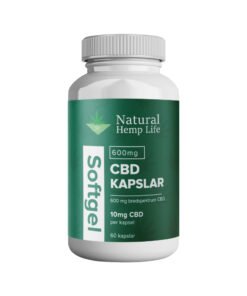
Original price was: 50 €.25 €Current price is: 25 €.
-50%
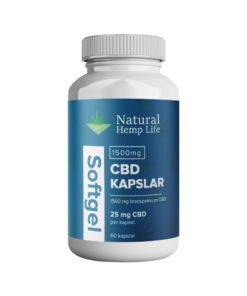
Original price was: 91 €.46 €Current price is: 46 €.
CBD oil and chronic pain
Chronic pain is often defined as pain lasting at least three months and can have many different causes – from degenerative joint disease and autoimmune conditions to back problems and nerve-related pain. Long-term pain affects not only the body, but also sleep, mood and the ability to keep up with daily life.
Interest in CBD oil in this context is linked to the search for complementary strategies, especially when traditional approaches do not feel sufficient. Some people describe CBD as contributing to a softer everyday feeling, for example in relation to winding down, sleep or recovery after activity. Others notice no difference at all.
Research on CBD and chronic pain is still being built up. Certain studies indicate that CBD may influence pathways involved in pain perception and inflammation, but experts stress that more and larger clinical trials are needed before clear recommendations can be given.
For that reason, when CBD oil is used at all, it is usually as part of a broader plan: gentle movement, stress reduction, good sleep hygiene, any prescribed medicines and support from healthcare.
Safety & side effects
CBD is generally considered to have a good safety profile at normal use levels, but “safe” does not mean it suits everyone or is completely risk-free. Some people report mild side effects such as tiredness, dry mouth or changes in appetite, particularly at higher doses.
Because CBD can affect liver enzymes (CYP450), it may also interact with certain medicines. That is why it is especially important to talk to your doctor or pharmacist before adding CBD if you use prescription drugs, are pregnant, breastfeeding or have a chronic medical condition.⁵
Frequently asked questions (FAQ)
Does CBD oil help with osteoarthritis or rheumatoid arthritis?
There are currently no guarantees that CBD will help with osteoarthritis, rheumatoid arthritis or other joint diseases. Research is still at an early stage, and results are not consistent enough to view CBD as a treatment. Some individuals describe subjective improvements in everyday comfort, others experience no change at all. Medical treatment and guidance from healthcare professionals should always form the basis of how you manage your joint condition.
Is CBD safe?
Overviews from organisations such as the WHO describe CBD as relatively well tolerated and non-addictive at normal doses.² At the same time, side effects and interactions with medicines can occur, which makes it important to read up, start cautiously and, where needed, consult healthcare professionals.
Which form is best for joint problems?
There is no single form that is “best” for everyone. Many people like CBD oil because it can be dosed drop by drop and adapted to their daily rhythm. Capsules can suit those who prefer a fixed amount at the same time every day. Topical creams or balms are often used locally on areas that feel stiff or heavily loaded. Some people combine several forms, others choose not to use CBD at all – the key is to start from your own needs and evaluate carefully.
Can CBD be combined with other self-care strategies?
Yes – when CBD is used, it is usually as part of a larger whole: light daily movement, stretching, walking, tailored exercise, stress management and thoughtful evening routines. CBD does not replace these building blocks but may, for some, feel like an extra step in a wider strategy. If you develop new or worsening symptoms, it is always more important to contact healthcare than to adjust food supplements.
What is a sensible starting dose?
A common self-care approach is to start low – for example 1–2 drops of CBD oil or 1 capsule per day – and then adjust slowly after 1–2 weeks if you decide to continue. It is wise to keep notes on dose, time of day, sleep, pain and movement during the first weeks to see whether CBD actually makes any practical difference for you. More general principles can be found on our dosing page.
 CBD Oil 15% (1500mg)
  CBD Oil 30% (3000mg)
  Somni Drops (CBD + Melatonin)


