Natalie lived in constant pain, dependent on strong medication and trapped in bed most days.
With just a few drops of cannabis oil each day, she regained her routine, her freedom, and her joy.
But new regulatory changes now threaten to take her treatment away — and she fears returning to the life she fought so hard to escape.
Natalie’s battle with chronic pain
For Natalie, the struggle began in childhood. What seemed like an innocent bumper-car ride resulted in a whiplash injury that would shape her entire life.
As she entered her teenage years, the pain intensified. Soon came a long list of diagnoses: nerve pain, general allodynia, disturbances in the central nervous system, and severe digestive issues.
The following years were filled with endless doctor visits, assessments, and treatments that came and went.
She was prescribed strong pain medication such as Citodon, Lyrica, OxyContin, and Gabapentin.
In certain periods, she took up to 70 tablets per week — yet the relief was temporary, and the side effects overwhelming.
“Life felt like a fog,” Natalie recalls.
“I could barely walk the hundred meters to the mailbox. When you’re 25, life shouldn’t look like that.”
The turning point — when cannabis oil changed everything
In 2021, everything shifted. After years of conventional treatment, Natalie was given access to prescribed cannabis oil through a pain specialist.
She was skeptical at first — but within days, she felt a difference.
“It was the first time in years I slept through the night without waking up from pain.
I hardly dared believe it was real.”
The cannabis oil didn’t just ease her pain — it improved her sleep, reduced nausea, and gave her the energy she thought she had permanently lost.
Natalie was able to return to full-time work, grow vegetables, take care of her animals, and enjoy long walks with her dogs again.
Fact: Cannabis Oil vs CBD Oil
Cannabis oil may contain both CBD (non-psychoactive) and THC (psychoactive).
Across Europe, THC-free CBD products are typically sold as food supplements, while medical cannabis containing THC requires a prescription and falls under national medical regulations.
From bedridden to an active daily life
Just a few years ago, Natalie spent most of her days in bed — exhausted and hopeless. Today, she works full-time as a social care assistant, takes care of her animals, and enjoys an active lifestyle.
“I’m not cured, but I’m so relieved of pain that I feel alive again,” she says. “I can be present with my family, laugh, do light exercise, and take part in the things I love.”
Natalie’s story is not unique. More and more people across Europe are being prescribed medical cannabis to help manage chronic pain, sleep issues, and other long-term symptoms.
A threat to patient access
Despite her progress, Natalie now faces a new concern.
Several European health authorities are reviewing the rules for so-called “magistral preparations” — individually compounded medicines, a category where cannabis oil often belongs.
If cannabis oil were removed from reimbursement schemes, Natalie would have to pay over €1,300 per month for her treatment.
“I can’t afford that. I’m terrified of what would happen — that the pain will return, that I won’t be able to work, and that I’ll lose the life I’ve built.”
How CBD supports the body’s balance
CBD (cannabidiol) interacts with the body’s endocannabinoid system (ECS) — a regulatory network that influences sleep, pain perception, appetite, stress response, and inflammation.
When this system is out of balance, the body may react with discomfort, anxiety, or sleep disturbances.
Research suggests that CBD may support the ECS indirectly by influencing receptors related to inflammation, nerve signaling, and stress management.
This may help explain why many individuals — including Natalie — experience improved balance and better quality of life.
Natalie’s story shows how cannabis oil can profoundly influence the quality of life for people living with chronic pain.
Although CBD is not a medicine and does not cure disease, interest continues to grow in its potential benefits for pain management, sleep, and overall wellbeing.
Across Europe, THC-free CBD products are typically available as food supplements, while medical cannabis requires a doctor’s prescription.
Ongoing regulatory discussions make access an important issue for patients like Natalie who depend on these treatments.
Winter depression, or Seasonal Affective Disorder (SAD), affects many people during the darker months of the year. Tiredness, low mood, sugar cravings and poorer sleep are common signs. In this guide you’ll find an overview of what SAD is, evidence-based strategies such as light therapy and CBT – and how CBD oil can, in some cases, be discussed as a possible complement in a holistic routine for better wellbeing.
What is winter depression (SAD)?
Winter depression is a seasonal form of depression that appears when daylight hours decrease. The symptoms resemble those of major depression, but follow a seasonal pattern: energy drops, mood becomes lower and everyday life can feel heavy and difficult to manage. Many people also describe increased appetite (especially for carbohydrates), a stronger need for sleep but poorer recovery, and difficulty concentrating.
Low mood, reduced motivation and “brain fog”.
Disrupted circadian rhythm, difficulty falling asleep or waking up during the night.
Increased sugar cravings, weight changes and less drive to exercise.
Social withdrawal and reduced interest in activities that usually feel enjoyable.
Why does SAD occur?
Reduced light exposure can affect the body’s internal clock (circadian rhythm), melatonin (the sleep hormone) and neurotransmitters such as serotonin. The result can be poorer alertness during the day, lower sleep quality and more fluctuating mood. This is often reinforced by a more sedentary lifestyle, less time spent outdoors and fewer social activities in winter.
Key facts: SAD & self-care
Light is central: morning daylight walks and/or light therapy (lightbox).
Stable rhythm: regular times for sleep, meals, movement and work.
Movement helps: light to moderate exercise and daily time outside.
Support for sleep: wind-down routines in the evening; screen-free in the last hour before bed.
CBD as a complement: can, in some cases, be discussed for evening calm and recovery – but never replaces professional care or established treatments.
Evidence-based strategies for winter depression
Light therapy: 10–30 minutes in the morning can help support the circadian rhythm.
CBT / CBT-I: tools for thoughts, habits and sleep (CBT for insomnia).
Physical activity: walks, light strength training or yoga several times per week.
Daylight & routines: planned time outdoors and consistent bed and wake times.
Diet & social contact: regular meals, nutrient-dense food and human connection – small steps count.
CBD and winter depression – what do we know?
CBD (cannabidiol) is a non-psychoactive cannabinoid from hemp that does not cause a “high”. It is discussed in relation to its interaction with the endocannabinoid system (ECS), which plays a role in the regulation of stress, sleep and emotional balance. Preclinical and early clinical research points towards possible anxiety-reducing and sleep-supporting effects, but CBD is not an approved treatment for SAD or depression. It should be seen as a possible complement in a broader routine – never as a replacement for medical evaluation, therapy or medication.
ECS support: CBD influences the ECS, which in turn is linked to mood, stress response and recovery.
Serotonin receptors: indirect effects on 5-HT1A receptors are discussed in the scientific literature.
Sleep & winding down: many users describe calmer evenings and more settled sleep, but experiences vary individually.
Stress balance: some people notice a more stable “baseline” when everyday stress is high.
Important: Effects vary greatly from person to person, and more robust research is needed before clear conclusions can be drawn.
Comparison: Common approaches for SAD
Approach
Purpose
When might effects be felt?
Things to consider
Light therapy
Support circadian rhythm & alertness
Days–weeks
Use in the morning; correct lux level & distance
CBT / CBT-I
Thought and behaviour strategies
Weeks
Requires practice, structure and follow-through
Movement / time outdoors
Mood, energy & sleep
Single sessions–weeks
Small, consistent efforts add up over time
CBD (possible complement)
Evening calm, stress balance, sleep quality
Minutes–weeks (highly individual)
THC-free products, start low, monitor effects and discuss with your doctor if you are unsure
Practical winter routine – how you can structure it
Morning light: 10–30 minutes of light therapy or a walk outside shortly after waking.
Movement: 20–30 minutes of light to moderate activity 4–5 days per week.
Daylight break: a short walk at lunchtime to “top up” your light exposure.
Evening routine: screen-free during the last hour, warm shower/tea, and 5 minutes of breathing exercises.
CBD as a complement: some people choose a low evening dose 30–60 minutes before bedtime; evaluate calmly over 2–4 weeks and talk to your healthcare provider if you have questions.
Safety, legality & dosing principles
THC-free in your country: in many European countries, only THC-free CBD products are allowed as food supplements. Choose products with 0.00% THC on the lab report and clear, transparent testing.
Start low: increase gradually and evaluate effects over 2–4 weeks before making further adjustments.
Medication: CBD can influence CYP450 enzymes; always consult your doctor or pharmacist if you use prescription medicines or have a complex medical history.
Sleep & driving: learn how you personally respond before planning to drive early the next day.
FAQ – Quick answers about SAD & CBD
Is CBD a treatment for winter depression?
No. CBD is not an approved treatment for SAD or depression. It can, in some cases, be discussed as a complement within a broader routine including light therapy, CBT, movement and stable habits – always in dialogue with your healthcare provider if your symptoms are significant.
When is the best time of day to take CBD oil?
A common approach is to use CBD in the evening to support winding down and sleep. Some people also use a low morning dose during particularly stressful periods. Reactions are individual, so keep a simple log and adjust gently.
How long should I test a routine?
Give your routine 2–4 weeks with as few other changes as possible. Briefly note each day how you sleep, how your energy feels and how your mood develops – this gives a much better foundation for evaluating what actually helps.
More and more pet owners are looking for natural ways to support their animals with anxiety, pain and sleep problems. CBD oil for dogs and cats has become a popular supplement that may support both emotional balance and physical recovery.
In this guide, we walk through potential effects, dosing principles and what current research says about CBD for pets.
It helps regulate key functions such as pain, inflammation, appetite, anxiety and sleep. CBD (cannabidiol) interacts with this system in a natural way and may help support better balance in the body – without causing a “high” when you use THC-free products formulated for animals.
Research is still developing, but many pet owners report positive experiences when using CBD oil for dogs and cats.
Effects vary depending on the animal’s needs, temperament and overall health.
Commonly described benefits include:
Reduced anxiety: Support in situations such as separation anxiety, fireworks, thunderstorms and stressful environments.
Comfort for joints and movement: Studies in dogs with osteoarthritis suggest improved comfort and activity when CBD is used alongside veterinary care.
Support in epilepsy: In clinical trials, CBD has been used as an adjunct treatment to help reduce seizure frequency in some dogs – always under veterinary supervision.
Better sleep: Some owners see calmer evenings and more restful sleep in restless or anxious animals.
Appetite & digestion: Many report more stable appetite and calmer digestion in sensitive pets.
CBD oil for dogs and cats – general dosing principles
The right dose depends on your pet’s weight, age, sensitivity and what you are hoping to support.
Always start with a low dose and increase gradually over 1–2 weeks to find the lowest effective amount for your animal.
The table below is a general example of daily CBD amounts (in mg) that some owners use as a starting point for dogs and cats.
It is not a veterinary prescription.
Suggested daily dosing by weight (example)
Pet’s weight
Low dose
Medium dose
Higher dose
Up to 5 kg
1 mg CBD
2 mg CBD
3 mg CBD
5–15 kg
2 mg CBD
4 mg CBD
6 mg CBD
15–30 kg
4 mg CBD
6 mg CBD
8 mg CBD
Tip: Split the daily amount into two servings – morning and evening – for more even support throughout the day.
Important things to consider before giving your pet CBD
THC-free: CBD products for animals should be completely free from THC (0.00%). Dogs and cats are far more sensitive to THC than humans.
Certified products: Always choose CBD oil with a full lab report and independent third-party testing.
Start low: Begin with the lowest suggested dose and increase gradually only if needed.
Veterinary guidance: Always talk to your veterinarian if your pet is on prescription medication or has an underlying condition.
How does CBD act in animals?
Animals have – just like humans – an endocannabinoid system (ECS) with receptors in the brain, nerves, immune system and gastrointestinal tract.
CBD interacts indirectly with CB1 and CB2 receptors and may also influence other targets (such as TRPV1),
which are linked to regulation of pain signalling, inflammation, stress response and sleep.
The key point: CBD itself is not intoxicating (when THC-free), but can support the body’s own balancing mechanisms.
Potential benefits of CBD for pets
Everyday calm & stress management: many owners use CBD for separation anxiety, noise phobias and environmental changes.
Mobility & comfort: discussed in connection with stiffness, joint issues and age-related discomfort, often alongside joint support and lifestyle changes.
Sleep & evening relaxation: some pets seem to find it easier to unwind and settle at night.
Appetite & gut balance: owners of sensitive animals sometimes notice improved appetite and a calmer stomach.
Note: Effects differ between individuals and products. See the section on product choice below and always keep your vet informed if your pet is on medication.
Supporting pain and mobility
For movement issues or stiffness after activity, pet owners often report that CBD oil for dogs or cats helps everyday life feel softer and more comfortable.
Clinical studies in dogs with osteoarthritis have shown improvements in comfort and activity scores when CBD was used together with regular veterinary care and monitoring.
In practice: start low, use the dosing table in this article as a rough guide and evaluate over 2–3 weeks.
For local issues, topical products designed specifically for animals may be used as a complement.
Supporting anxiety and stress
CBD for pets is often used in connection with situations such as fireworks, travelling, being left alone or vet visits.
A common approach is to give a low dose 30–60 minutes before an expected stressor, and for more ongoing support,
to use a low daily dose during periods of increased stress. Combine this with behaviour training (safe retreat, sound desensitisation, gradual exposure)
for the best long-term results.
How to choose a safe & high-quality product
THC = 0.00%: products for animals should be completely free of THC.
Third-party testing: demand a lab report showing CBD content, THC=0, and checks for heavy metals, pesticides and microbiological contaminants.
Correct strength for pets: choose a concentration that makes precise dosing easy based on your animal’s weight.
Clean carrier oil & flavour: MCT, hemp seed or olive oil are common; avoid unnecessary additives. Cats are often sensitive to strong flavours.
Traceability & transparency: batch number, clear origin and reachable customer support are must-haves.
Current research & veterinary interest:
CBD for pets is increasingly discussed in international veterinary medicine.
Universities and veterinary organisations around the world are studying both potential benefits and safety considerations –
for example in dogs with osteoarthritis or epilepsy.
For a deeper dive into the topic, you can read more via
Cornell University’s overview of CBD from hemp
When you use a THC-free product specifically formulated for animals, CBD is generally considered to have a good safety profile
and is well tolerated by most healthy dogs and cats in studies.
Mild side effects such as drowsiness or soft stools can occur in some animals.
Always choose quality-tested products and start with a low dose.
If you are unsure, or if your pet has an existing condition, consult your veterinarian.
How quickly does the effect appear?
The effects of CBD oil can sometimes be noticed within 15–60 minutes in acute situations such as stress or anxiety.
For long-term issues such as stiffness, mobility problems or sleep, regular use over 2–3 weeks is often needed
before you can properly evaluate the effect. Patience and consistent dosing are important.
Can I give my own CBD oil to my pet?
It is not recommended to give human CBD oil to dogs or cats.
Products for humans may contain THC or other ingredients that are not safe for animals, and the concentration may make precise dosing difficult.
Always use CBD oil that is specifically formulated for pets, with a THC-free formula and a strength adapted for safe dosing by weight.
Is CBD for pets legal in Europe / my country?
Regulations differ between European countries.
In many places, hemp-derived CBD products for pets are allowed only if they are THC-free and produced from authorised industrial hemp.
In some countries, CBD for animals may be treated as a veterinary medicinal product and subject to additional rules.
Always check the current regulations in your country and choose brands that provide full lab reports and transparent information.
Buy Cannabis Online – Legal CBD Products in Europe
Cannabis, hemp and industrial hemp all come from the same plant – Cannabis sativa L..
The real difference is how the plant is grown and what it is used for.
In this guide, you’ll get a clear overview of legal CBD products in Europe, the difference between cannabis and industrial hemp,
what current regulations say in many European countries – and why Natural Hemp Life is a safe, trusted choice when you order CBD online.
Cannabis, hemp and industrial hemp all originate from the same species – Cannabis sativa L..
The difference lies in how the plants are cultivated and for what purpose.
Cannabis / marijuana – grown for high levels of THC, the psychoactive compound that is classified as a narcotic
and tightly regulated or prohibited for non-medical use in most European countries.
Hemp / industrial hemp – grown mainly for its industrial and nutritional properties.
The fibres are used for rope, textiles and clothing, the seeds are pressed into omega-3 and omega-6 rich oil,
and the flowers with naturally high CBD levels are used for wellness products and supplements.
Industrial hemp in the EU is typically defined as hemp varieties listed in the EU Common Catalogue,
grown with a THC content of max. 0.3% in the field (depending on national implementation).
Low-THC hemp (non-intoxicating) is recognised as an agricultural crop across Europe – not as recreational cannabis.
CBD itself is not intoxicating – THC-free CBD products do not cause a “high” and are widely used as wellness supplements in many countries.
Rules differ between countries – most European markets limit THC in finished CBD products to very low levels
(often around 0.2–0.3%), and CBD extracts are treated as “novel foods”, which means additional authorisation may be required for ingestible products.
Common misunderstandings about legal cannabis & CBD
One of the biggest sources of confusion in Europe is the difference between industrial hemp and recreational cannabis.
Industrial hemp is grown from EU-approved seed varieties with very low THC content and is used for fibre, seeds and non-intoxicating extracts.
Recreational cannabis, on the other hand, is grown to achieve high THC levels and is still illegal for non-medical use in most EU countries.
Many consumers also believe that “CBD = legal everywhere”, which is not the full picture.
While hemp-derived CBD products with very low or non-detectable THC are widely available in Europe,
each country has its own detailed rules on how these products may be marketed, labelled and sold – especially if they are ingested.
What to watch out for when you buy CBD and cannabis products online
The CBD and hemp market has grown rapidly in recent years.
Unfortunately, this has also led to low-quality products and shops that do not fully follow European or national rules.
If you want to buy CBD online or order hemp products over the internet, it is crucial to choose a reliable, established brand
that guarantees legal, lab-tested and safe products. A good CBD routine can genuinely make everyday life lighter – but only if you know what you are putting in your body.
Checklist for safe CBD purchases online:
Check the THC level – Products should remain within the legal THC limits in your country.
Many European markets require 0.00% THC for certain categories, while others allow up to around 0.2–0.3% THC.
Demand lab tests – Serious brands always publish independent third-party lab reports that verify CBD content, THC levels and purity.
Buy from established brands – Choose companies based in the EU that understand European regulations and offer fast, traceable delivery.
Avoid vague shops – If information about ingredients, origin and lab reports is missing or unclear, be extra careful.
Be cautious with non-EU webshops – Products from outside the EU may get stopped at customs or contain ingredients that are not legal in your country.
EU-approved hemp varieties – a safe foundation
Within the European Union, industrial hemp must come from EU-approved seed varieties listed in the Common Catalogue of Varieties of Agricultural Plant Species.
These varieties are bred to contain very low levels of THC (up to 0.2–0.3% in the field, depending on current CAP rules)
and are recognised as non-intoxicating hemp, not narcotic cannabis.
Hemp from these certified varieties cannot make you “high”.
For consumers, that means you can enjoy hemp-derived CBD products from approved strains and still live your everyday life as normal –
go to work, drive a car and be present with your family – without feeling intoxicated.
Premium CBD Buds – Raw hemp, certified and non-intoxicating
Our Premium CBD Buds are made from EU-approved industrial hemp and harvested from carefully selected fields in Europe.
The flowers come from certified hemp varieties with naturally low THC and high CBD content.
They are non-intoxicating and produced under strict quality control – ideal for those who want the most natural, unprocessed form of hemp.
In many European countries, such low-THC hemp flowers are legal to own and use as long as they come from certified industrial hemp and respect national THC limits.
However, regulations differ, especially for smokable products, so we always ship in line with the rules of the destination country.
Since 2016, Natural Hemp Life has been a pioneer in legal hemp-derived CBD products
and today we are trusted by well over 200,000 customers.
Behind every order there is the same simple idea:
to make it easy, safe and hopeful for people to add high-quality CBD to their daily routine.
We offer a broad range of hemp-based products – CBD oil, capsules, buds, vape products and topical creams –
all made from high-quality industrial hemp and tested by independent laboratories.
Every batch is checked for cannabinoid profile, purity and THC levels, so you know exactly what you are getting.
For many of our customers across Europe, this has been the first step towards better sleep, calmer days and a softer feeling in body and mind.
CBD Oil & Fibromyalgia – What Research, Real-Life Stories & New Theories Suggest
Fibromyalgia is estimated to affect around 2–4% of adults in many countries – most of them women – and can touch every part of daily life:
pain, sleep, energy, mood and the feeling of being “yourself”.
As a result, more and more people are exploring CBD oil alongside fibromyalgia as a way to support quality of life, recovery and inner balance.
In this guide, we walk through current research, the endocannabinoid system, and how CBD is often used as a complementary tool – never a replacement for medical care –
for people who want to give themselves a real chance at softer days and calmer nights.
Fibromyalgia is a chronic pain syndrome that involves muscles, joints and the nervous system.
Classic treatments can help – but many people still feel they are “only surviving”.
That is one reason why interest in plant-based options such as CBD oil has grown so strongly in recent years.
CBD is not a cure and not an official medicine for fibromyalgia.
At the same time, research is exploring how CBD interacts with the body’s
endocannabinoid system (ECS) , a regulatory network involved in pain signalling, stress response, sleep and mood.
For some people, this has opened the door to a more hopeful, holistic way of working with their symptoms.
Below we go through what the science actually says, how theory and practice fit together – and how CBD is usually introduced step by step as a gentle
addition to an existing fibromyalgia plan.
Quick facts: CBD & fibromyalgia
Prevalence: Fibromyalgia affects roughly 2–4% of the population in many countries according to rheumatology organisations such as the American College of Rheumatology and public health data.
Key features: Widespread pain, fatigue, sleep problems, “fibro fog” and fluctuating sensitivity to stress and stimuli.
CBD & ECS: CBD interacts with the endocannabinoid system, which helps regulate pain, mood, stress, inflammation and sleep–wake cycles.
Research: Studies are exploring medical cannabis and cannabinoids in fibromyalgia and chronic pain, but most data come from products that combine THC and CBD – not pure, THC-free CBD supplements.
Forms: CBD oil, capsules and topical creams/balms are the most common ways people experiment with CBD as a complement.
What is fibromyalgia?
Fibromyalgia is a long-term condition characterised by widespread musculoskeletal pain, often combined with
pronounced fatigue, unrefreshing sleep and cognitive difficulties such as problems with focus and memory (“fibro fog”).
Rheumatology and pain specialists increasingly describe it as a central sensitisation syndrome – the nervous system becomes more sensitive, and pain signals can be amplified.
The exact cause is still unknown. Research points to altered pain processing in the brain, possible imbalances in neurotransmitters like serotonin and norepinephrine,
and interactions between stress, trauma, sleep and genetics. Public health bodies such as the CDC
estimate that millions of adults live with fibromyalgia, often with a big impact on work and daily life.
Common symptoms
Chronic widespread muscle pain and tenderness
Stiffness in back, neck and joints
Sleep disturbances and non-restorative sleep
Persistent fatigue and low stamina
Tingling or numbness sensations
Concentration difficulties and “brain fog”
Fluctuating pain sensitivity, often affected by hormones, weather, stress and overexertion
CBD and the endocannabinoid system (ECS)
CBD (cannabidiol) is a non-intoxicating cannabinoid from hemp.
It does not create a “high”, but it can influence signalling in the endocannabinoid system and other receptor systems in the body.
The ECS helps regulate pain, mood, stress, immune response, digestion and sleep.
A good scientific overview of the ECS can be found in the review
“The Endocannabinoid System: Overview and Therapeutic Opportunities” .
Neurologist Ethan Russo has proposed the hypothesis of clinical endocannabinoid deficiency (CECD) – the idea that certain chronic conditions, including migraine,
irritable bowel syndrome and fibromyalgia, might be linked to an under-functioning or imbalanced ECS.
This is discussed in his papers on CECD, for example in
“Clinical Endocannabinoid Deficiency Reconsidered” .
The concept is still a theory, not proven fact – but it offers a framework for why some people with fibromyalgia
report improved comfort and wellbeing when cannabinoids are added to their routine.
What does research say about cannabinoids & fibromyalgia?
The research field is still young, but several studies have looked at medical cannabis in fibromyalgia.
Keep in mind: most of these use products that include THC (not just CBD), are prescribed under medical supervision and are not the same as standard THC-free CBD supplements.
Fiz et al., 2011 (Spain) – In a study of fibromyalgia patients who used cannabis, many reported improvements in pain,
stiffness, relaxation and perceived wellbeing compared with non-users.
The study was observational, so it cannot prove cause and effect, but it shows how some patients experience meaningful relief.
You can read it here:
PLOS ONE – “Cannabis Use in Patients with Fibromyalgia” .
Sagy et al., 2019 (Israel) – A prospective study followed fibromyalgia patients receiving medical cannabis for six months.
Many reported reduced pain and improved quality of life, and most tolerated the treatment well.
However, dosages and THC/CBD ratios varied.
Full article:
“Safety and Efficacy of Medical Cannabis in Fibromyalgia” .
Systematic reviews (e.g. Strand et al., 2023) – Recent reviews conclude that cannabinoids may help relieve fibromyalgia pain for some patients,
but that studies are small, varied and not yet strong enough to give clear, universal recommendations.
One example:
“Cannabis for the Treatment of Fibromyalgia: A Systematic Review” .
Taken together, research points toward potential benefits of cannabinoids for some people with fibromyalgia,
particularly when it comes to pain and quality of life.
At the same time, the evidence is still limited and focused largely on medical cannabis with THC.
THC-free CBD supplements – like those many people buy online – are less studied on their own, so it makes sense to approach them with both hope and realism:
they may help, especially for sleep and stress, but results are individual.
How people use CBD alongside fibromyalgia in everyday life
There is no single “right” way to use CBD with fibromyalgia.
The most important thing is to introduce it in a structured, patient way that lets you actually see whether it is helping.
Many people use CBD as a complement in three main areas:
Sleep & evening calm: a small serving of CBD oil in the evening to support winding down, deeper rest and fewer night-time awakenings.
Daytime stress & overload: a low dose in the morning or midday to soften “fight-or-flight” responses and help the nervous system feel less overstimulated.
Local tension: CBD balms or creams applied directly to tense areas such as neck, shoulders, lower back or around trigger points as an extra layer of comfort.
Many of our own customers describe CBD as the first tool that actually gave them the feeling of “having a little more room inside” –
more space to rest, recover and handle pain without falling apart every time life gets heavy.
For others, the effect is milder but still valuable: slightly better sleep, a bit softer mornings, or fewer days where everything feels impossible.
Example dosing principles (general, not medical advice)
CBD form
Typical starting level
Onset time (approx.)
Duration (approx.)
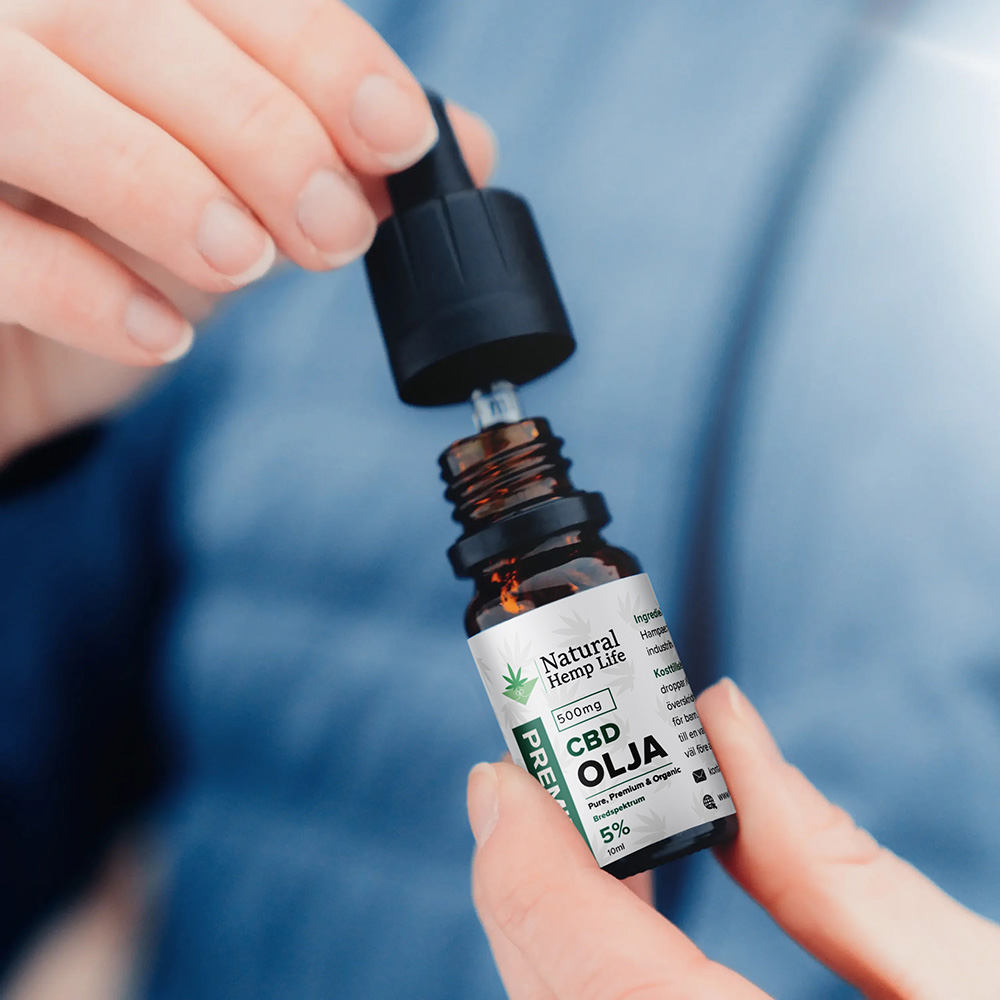
CBD oil (5–15%)
2–3 drops under the tongue, 1–2 times per day
~15–30 minutes
4–6 hours
CBD capsules
Around 10–25 mg CBD per day
~60–120 minutes
6–8 hours
Topical cream/balm
Apply a thin layer on the area as needed
~10–30 minutes
2–6 hours (varies by individual)
Tip: Start low, increase slowly and give your routine at least 2–4 weeks before you decide whether CBD helps you.
Many people keep a very simple diary (pain, sleep, energy, mood) to see changes over time.
If you take prescription medicines, always talk to your doctor or pharmacist before making larger dose changes.
FAQ – CBD and fibromyalgia
Can CBD cure fibromyalgia?
No. There is currently no cure for fibromyalgia.
CBD cannot “cure” the condition or replace medical treatment.
What it can do for some people is support sleep, stress handling and how the nervous system processes discomfort – which can make life with fibromyalgia feel more manageable.
Is there a best CBD form for fibromyalgia?
Not really – the best form is the one you will actually use and can afford.
Many people start with CBD oil because it is flexible and easy to adjust.
Others prefer capsules for simplicity or add a topical cream for specific areas of tension.
You can also combine forms (for example, oil in the evening + balm locally).
Is CBD legal in Europe / my country?
In many European countries, CBD products from authorised industrial hemp with very low or non-detectable THC are allowed,
as long as they follow national rules on labelling, THC limits and how they are marketed.
However, details differ between countries, and some treat ingestible CBD as a “novel food” with stricter requirements.
Always check the current rules where you live and choose brands that publish independent lab reports and clear information.
Are there side effects?
Human studies suggest that CBD is generally well tolerated in adults, even at relatively high doses,
but mild side effects can occur – especially if you take too much too quickly.
The most commonly reported are:
Slight drowsiness or heavier feeling in the body
Dry mouth
Digestive discomfort or looser stools
Changes in appetite
CBD can also affect how the liver breaks down certain medicines (via CYP450 enzymes).
If you are taking prescription drugs – especially blood thinners, anti-epileptics or certain antidepressants – talk to your doctor or pharmacist before you add CBD.
Stress, anxiety and low mood are extremely common – and often long-lasting – challenges that can shape your everyday life, relationships and physical energy.
They tend to appear together in patterns where sleep, focus, motivation and mood are all affected at the same time, and where the body feels “switched on”
long after the day should have ended.
Many people describe difficulty winding down, broken sleep and racing thoughts that continue far into the night. According to the
World Health Organization (WHO) , hundreds of millions of people worldwide live with anxiety disorders, and
depression is one of the leading causes of disability .
That gives a sense of how widespread psychological strain has become in modern life.
At the same time, interest in self-care has grown rapidly. More and more people are building routines around food, sleep, movement, therapy, mindfulness –
and sometimes supplements such as CBD oil. CBD is often discussed in situations where people want to support everyday balance,
calm the nervous system and create small, conscious “micro-pauses” in an otherwise intense life.
In this guide we look at how CBD is typically discussed in relation to stress, worry and low mood, how it connects to the body’s endocannabinoid system (ECS),
and how all of this fits into a broader picture of evidence-based self-care and professional support. The goal is a hopeful but honest overview –
so you can better understand why so many people in Europe and beyond have become curious about CBD.
Fact box: CBD, stress and mental wellbeing
CBD: A non-intoxicating cannabinoid from hemp that does not cause a “high”.
It is used in supplements by people who want to explore the potential of hemp plant compounds.
Use: Often taken during periods of high pressure, busy thoughts, sleep difficulties or a general feeling of imbalance in everyday life.
Safety: Reviews of clinical data suggest CBD generally has a
favourable safety profile at typical doses, though sensitivity, side effects and interactions
can differ between individuals. See e.g.
“An Update on Safety and Side Effects of Cannabidiol”
Common forms: CBD oil, capsules and topical products such as creams or balms.
Whole picture: When CBD is used, it is usually alongside other tools:
good sleep habits, stress management, physical activity, therapy and, when needed, professional treatment.
CBD oil & stress – how is it often described?
The stress response is protective by design – it helps us perform when we need to.
But when stress becomes long-term, it leaves deep marks on both body and mind.
Many people recognise difficulties relaxing, racing heart, stomach tension, tight muscles, problems focusing and sleep that never really feels restorative.
CBD in the discussion about stress and everyday worry
In research, CBD has been studied in relation to the body’s
endocannabinoid system (ECS) .
The ECS is a wide signalling network found throughout the body and brain, and is involved in how we regulate stress, mood, sleep and resilience.
The ECS interacts with the nervous system, immune system, gut, hormone systems and our overall adaptation to inner and outer demands.
In scientific studies, cannabinoids have been shown to influence this system in different ways.
That is why CBD attracts so much interest in contexts where stress regulation, recovery and emotional balance are central.
In everyday life, many people place their CBD routine in the morning or evening – often together with other calming habits such as herbal tea, a book,
journaling or a few minutes of breathing exercises. In that way, the ritual around taking CBD becomes a clear marker:
“Now it’s time to slow down”, regardless of which other strategies you use to manage stress.
Anxiety can feel like an inner engine that never switches off – from a low-level sense of unease to intense panic reactions that affect work, relationships and sleep.
The body goes into high alert even when everything looks calm on the outside.
In research, CBD has been studied in relation to signalling systems involved in emotion regulation – including the ECS and receptors linked to mood and stress response.
A well-known review by Blessing et al. (2015) summarised preclinical and human data and concluded that CBD shows anxiolytic (anxiety-reducing) potential in several models of anxiety, while emphasising the need for more long-term clinical trials:
“Cannabidiol as a Potential Treatment for Anxiety Disorders” .
In one small but frequently cited human study, people with social anxiety disorder who received a single dose of CBD experienced reduced anxiety
during a stressful public speaking test compared with placebo:
Bergamaschi et al., 2011 – “Cannabidiol Reduces the Anxiety Induced by Simulated Public Speaking” .
Later preclinical work (for example Melas et al., 2021) also supports an anxiolytic- and antidepressant-like profile for CBD in animal models.
These findings do not mean CBD is an approved medicine for anxiety in Europe. But they help explain why many people with stress- and anxiety-related
difficulties feel that CBD gives them a softer baseline – especially in the evenings – and why it is being explored so actively by researchers.
In practical daily life, many people connect their CBD use to moments already set aside for recovery – such as mindfulness, slow breathing, a quiet walk or evening routines.
CBD then becomes part of a structure where you deliberately create time to pause, feel into your body and “check in” with yourself, instead of just pushing through.
What can lie behind anxiety problems?
Anxiety is part of the body’s built-in protection system. But when it is activated too often or too strongly, life can start to shrink.
Underlying factors are usually a combination of long-term stress, unresolved experiences or trauma, biological vulnerability, sleep problems, hormonal changes
and demanding life situations.
Within this bigger picture, CBD is sometimes discussed as a complementary tool – not as a cure.
The core of moving forward almost always lies in measures that target the causes:
therapy, structured stress management, changes in workload or boundaries, social support and, where needed, medication prescribed in collaboration with healthcare professionals.
Different types of anxiety disorders
Recognising patterns can make it easier to seek help – but diagnosis and treatment are always the responsibility of healthcare,
not supplements.
Type of anxiety
Short description
Example symptoms
GAD (generalised anxiety)
Long-lasting, hard-to-control worry across many areas of life.
Restlessness, muscle tension, sleep problems.
Panic disorder
Recurring panic attacks without obvious external danger.
Heart palpitations, shortness of breath, feelings of unreality.
Social anxiety
Fear of social situations or of being the centre of attention.
Blushing, racing heart, avoidance of social events.
OCD
Obsessions and compulsions used to reduce anxiety.
Clear, focused fear – e.g. of heights, flying or animals.
Avoidance, strong anxiety when facing the feared situation.
If you recognise yourself in any of this, the most important step is to talk to a healthcare professional.
If CBD becomes part of your life, it should be as a separate supplement alongside professional treatment – never instead of it.
Factors that often contribute to stress and anxiety
There is almost never just one cause. Common examples include:
Long-term load: work pressure, conflicts, caring responsibilities or financial worries.
Sleep problems: months or years of poor sleep increase emotional sensitivity and stress reactivity.
Hormonal changes: for example PMS, pregnancy, postpartum period or menopause.
Lifestyle factors: high caffeine intake, frequent alcohol, sedentary habits or irregular routines.
Biological vulnerability: family history or imbalances in neurotransmitters can play a role.
Within this bigger picture, some people choose to let CBD oil or capsules become part of their daily routine – often as a recurring element in connection
with winding down, reflection or preparing for sleep.
That can make it easier to build a clear ritual around recovery, while still working on the deeper drivers behind the stress.
What to look for in CBD products
If you decide – sometimes alongside medical support – to explore CBD, product quality is a key part of feeling safe with your choice:
THC-free or compliant levels:
In many European countries, CBD products must have no detectable THC or only trace levels within legal limits.
Always check the rules in your country and choose products that clearly follow them.
Third-party testing:
Ask for independent lab reports showing cannabinoid profile, heavy metals, pesticides and microbiology.
Full-spectrum, broad-spectrum or isolate:
The choice is about desired plant profile and personal sensitivity – there is no one version that is “best” for everyone.
Oil or capsules:
Oils make it easy to adjust dose gradually. Capsules give a fixed mg amount per serving and can be convenient in daily life.
Transparency:
Serious brands openly share origin, manufacturing methods and lab reports so you can review the product yourself.
CBD and depression – how to relate to the research
Depressive symptoms can involve low energy, loss of interest, difficulties starting tasks and sometimes a heavy sense of hopelessness.
Causes are usually a mix of biological, psychological and social factors.
describe CBD as having antidepressant-like and anxiolytic effects in animal models. But this does not automatically translate into approved treatments for humans.
For depression, professional support is always central. Core treatment often includes therapy, structured routines, social support, sometimes medication
and close follow-up by healthcare.
If CBD is present in the background, it is usually as a separate supplement: starting low, observing your own experience carefully and keeping an open dialogue
with your doctor when needed.
CBD and cortisol – one line of research among many
Cortisol is one of the body’s central stress hormones.
Short peaks help us perform when needed, but chronically elevated levels are often linked to fatigue, poorer recovery and the feeling of never really coming back into balance.
Some studies have examined the relationship between CBD, cortisol and stress responses.
This is one of several lines of research trying to understand how the ECS interacts with hormone systems and the body’s way of handling long-term load.
In practice, however, the real foundation of stress management is still built from the basics: sleep, recovery, boundaries, movement, relationships and support.
CBD and self-care – a possible, but not necessary, piece of the puzzle
When people describe how they use CBD in daily life, it is often as one part of a broader self-care strategy.
CBD oil can become one element in a routine where you already prioritise recovery and actively try to bring more balance into your life.
Regular contact with healthcare for long-lasting or severe symptoms.
Therapy or counselling, e.g. CBT, ACT or other structured treatments.
Sleep routines: fixed bedtimes and wake times, screen-free wind-down, calm environment.
Physical activity adapted to your energy – from short walks to gentle strength training or yoga.
Intentional recovery: micro-breaks, breathing exercises, saying no to overload where possible.
If you want to try CBD oil in your own routine, a simple approach is to start with a low dose, keep your other habits as stable as possible for a few weeks
and make short notes about sleep, energy and perceived stress level.
This makes it easier to see whether you actually like the effect or if you would rather focus on other areas of your self-care.
Summary – a grounded way to look at CBD in mental strain
Stress, anxiety and depression are common – and demanding – conditions.
It is completely natural to want tools that create more room for recovery and hope, but that also means the amount of advice and products can quickly feel overwhelming.
CBD is not a shortcut or a cure. It is a supplement that many people in Europe choose to explore as part of their lifestyle.
Interest centres on how it interacts with the endocannabinoid system and how it may fit into routines for sleep, winding down and mental reset –
alongside more established measures.
With recurring or worsening mental health problems, it is always more important to seek help from healthcare than to only adjust supplements.
In an acute crisis – especially if you have thoughts of harming yourself or not wanting to live – it is an emergency:
contact your local emergency number or psychiatric emergency services immediately.
The menstrual cycle can influence both body and mind in many different ways. A lot of people who menstruate recognise the days before their period all too well: moods can swing faster, energy dips, the belly feels bloated and cramps make everyday life more demanding.
Global estimates suggest that a large share of people who menstruate experience premenstrual symptoms every month, and that roughly 3–8 % live with more severe, cycle-linked mood symptoms that can significantly affect daily life, often described as premenstrual dysphoric disorder (PMDD).
At the same time, many are actively looking for ways to understand and navigate their cycle better – through medical care, lifestyle changes and different forms of self-care. In that context, CBD oil is sometimes mentioned as a possible food supplement. CBD is not a medicine and is not an approved treatment for PMS, PMDD, endometriosis or menopausal symptoms, and any effects cannot be promised in advance. Some individual users describe that they notice changes in, for example, evening calm or everyday comfort, while others do not experience any difference at all.
This guide gives an overview of how CBD oil is sometimes discussed in relation to PMS, menstrual pain, endometriosis and the menopause – with a focus on the bigger picture, caution and up-to-date information from healthcare and research. It is not medical advice and does not replace contact with a doctor or other qualified healthcare professional.
Quick overview
CBD: A non-psychoactive cannabinoid from hemp that does not make you “high”.
How it’s used: Sometimes taken as a food supplement alongside PMS, period pain, headaches, stress and mood swings – but it is not an approved treatment for any of these conditions.
Safety: In scientific reviews, CBD is generally described as having a relatively favourable safety profile at typical doses, but side effects and interactions with medicines can occur and sensitivity varies from person to person.
Common formats: CBD oil, capsules, topical creams/balms.
The bigger picture: When CBD is used, it is usually as one small piece next to established self-care: sleep, stress management, nutrition, movement – and, where needed, medical treatment and follow-up.
What are PMS and PMDD?
PMS (premenstrual syndrome) is a broad term for symptoms that appear before a period. The most common complaints include mood swings, irritability, bloating, headaches, tiredness, cramps and tender breasts. International estimates suggest that a majority of people who menstruate experience some level of PMS-related symptoms over their lifetime.
For a smaller group (roughly 3–8 %) the symptoms become so intense that they strongly affect work, relationships and mental wellbeing. This is often referred to as PMDD (premenstrual dysphoric disorder) and typically involves pronounced mood swings, anxiety and low mood linked specifically to the premenstrual phase.
CBD alongside PMS and menstrual discomfort
CBD (cannabidiol) is a naturally occurring compound from hemp that research has linked to the body’s stress and recovery systems. The scientific evidence for PMS and PMDD is still limited and far from conclusive, and there are currently no official recommendations that make CBD a recognised treatment for these conditions. CBD should therefore only be seen as a voluntary food supplement that some individuals choose to explore on their own, after reading up and – where needed – talking with a healthcare professional.
Personal stories from users tend to fall into three main themes:
Calmer evenings and, for some, a gentler wind-down before sleep
A subjective sense of more everyday comfort when cramps, tense muscles or bloating are most noticeable
A feeling of slightly more even mood during the days when cycle-related symptoms usually peak
Experiences vary widely, and for many people CBD does not make a noticeable difference at all. If CBD oil is used in connection with PMS-related symptoms, it should therefore be as a cautious complement – never instead of proper assessment, treatment or follow-up from healthcare.
Common period-related symptoms – and where CBD is sometimes mentioned
Period pain and muscle tension
Period pain is caused by contractions in the uterine muscles and can range from mild discomfort to intense cramps. Some people choose to use CBD oil, capsules or topical creams as part of their self-care routine, often together with heat (for example a hot water bottle), gentle movement and rest. CBD does not replace pain relief or other medical treatment, but for some it becomes an additional tool alongside what their doctor recommends.
Mood swings and stress
PMS can strongly affect stress levels and mood. In preclinical and early clinical research, scientists have explored how CBD may interact with the body’s endocannabinoid system and other signalling systems involved in stress and emotional regulation. The findings so far are interesting but still limited and not strong enough to draw firm conclusions for PMS or PMDD.
Some individuals describe a subjective sense of evening calm or a slightly more balanced everyday feeling when CBD is part of their routine, while others notice no change at all. These personal stories are not proof of effect, but they help explain why CBD has become part of the broader conversation about cycle-related wellbeing.
Headaches and migraine
For some, PMS is linked to tension headaches or menstrual migraine. A few people choose to adjust their CBD routine around the days when symptoms tend to be strongest, in addition to established advice on hydration, regular meals, rest and any prescribed medication. With recurring or severe headache, it is always important to seek medical advice – food supplements should never replace proper examination or treatment.
Which CBD formats do users tend to choose?
CBD oil
Flexibility: Drop-by-drop dosing that can be adjusted gradually.
Time to perceived effect: Some users say they notice a difference within 15–45 minutes, others feel no change at all.
Typical use: As part of an evening routine for winding down.
Explore the range: CBD oil
CBD capsules & topical creams
Capsules: Provide a fixed amount per capsule and can be convenient in everyday life.
Creams/balms: Applied locally, for example over the lower belly, lower back or tense muscles.
Combination: Some people combine oil or capsules with a topical product in their routine.
See capsules: CBD capsules
Endometriosis – symptoms, diagnosis and self-care
Endometriosis is estimated to affect up to one in ten people who menstruate and is recognised as a complex gynaecological condition. Tissue similar to the lining of the uterus grows outside the uterus and can cause symptoms such as severe period pain, pelvic pain, pain during intercourse, long-term fatigue and problems related to the bowels or bladder. Many also describe a heavy mental burden and a long journey to diagnosis.
CBD is not a cure and not a treatment for endometriosis. Some individuals report that they feel a bit more everyday comfort or relaxation when they use CBD as a food supplement alongside other forms of self-care such as heat, gentle stretching, mindfulness, yoga or breathing exercises. With severe pain or suspicion of endometriosis, it is always essential to contact healthcare for proper assessment and a tailored treatment plan.
Dosing and tracking your own response
A cautious approach is to start low and increase slowly if you decide to test CBD oil. How your body responds is influenced by many factors: where you are in your cycle, current stress levels, sleep, diet and any medicines you take. Some people use a simple journal where they note dose, time of day, mood, pain/comfort and sleep quality to see whether they notice any change over time – or not.
Safety and tolerance
Fact box: CBD’s safety profile
In available scientific reviews, CBD is generally described as relatively well tolerated at typical doses, but this does not rule out side effects.
Commonly reported reactions include tiredness, dry mouth or changes in appetite – usually mild and transient.
CBD can interact with certain medicines via liver enzymes (CYP450). If you are on medication, are pregnant/breastfeeding or have known medical conditions, always speak with your doctor before adding CBD.
Popular choices among users
Some people choose to start with a base oil so they can fine-tune the dose more flexibly, add capsules for convenience and use a topical cream when needed. Others decide not to use CBD at all – both choices are equally valid. The most important thing is that you feel informed and in control of your own plan.
Research on THC (tetrahydrocannabinol) and endometriosis is still at an early stage. THC is a psychoactive cannabinoid that, unlike CBD, alters perception and is strictly controlled in most European countries outside of regulated medical use.
Preclinical studies have explored whether THC might influence pain signalling and inflammation related to endometriosis, but results are limited and do not yet provide a solid basis for general treatment recommendations. There are also personal reports from individuals who feel relief from cannabis-based preparations – often combinations of CBD and THC – but such experiences cannot be directly translated into safe or legal treatment plans.
Across Europe, non-medical use of THC is generally illegal. If you want to discuss medical options that could include THC, this must always be done with a doctor, within the legal framework and national guidelines that apply in your country.
CBD during the menopause
The menopause involves gradual changes in hormone balance and can lead to symptoms such as hot flushes, night sweats, sleep difficulties, mood swings and low energy. Research specifically on CBD oil for menopausal symptoms is limited, but interest has grown among those who are looking for support alongside established options such as hormone therapy, lifestyle changes and other treatments prescribed by healthcare professionals.
Some individuals report that they subjectively experience CBD as supportive in their evening routines, mainly around winding down and sleep. It is important to emphasise that CBD does not replace medical treatment for menopausal symptoms; at most it can be one component of self-care alongside regular movement, stress management and good sleep hygiene.
CBD and hormone balance
Hormonal fluctuations affect many functions in the body, including mood, energy, sleep and stress levels. In some preclinical studies, researchers discuss how CBD may interact with the endocannabinoid system (ECS), which in turn is linked to neurotransmitters such as serotonin and to stress-related hormones. The evidence is still far from sufficient to claim that CBD “balances hormones”.
User experiences often describe a sense of a more even everyday rhythm when CBD is included in a broader routine, but these are subjective and highly individual. CBD should be seen as a possible complement for those who, after reading up and, if needed, talking with their doctor, still wish to try it – not as a solution to hormonal problems.
Frequently asked questions (FAQ)
Can CBD relieve PMS or period pain?
CBD is not a medicine and there are no guarantees of effect. Some individuals describe that they feel more comfortable when CBD is included in a broader routine with rest, heat, movement and stress management, while others notice no difference at all. With pronounced pain or a strong impact on everyday life, healthcare should always be the first point of contact.
Can CBD replace treatment for endometriosis?
No. Endometriosis is a medical diagnosis that requires assessment and follow-up by healthcare professionals. CBD can at best be one separate food supplement alongside medical treatment and other forms of self-care, but it should never be seen as an alternative to proper investigation or treatment.
Which format do most people choose for menstrual-related symptoms?
Many people who want flexibility choose oil so they can adjust the dose drop by drop, capsules for a more predictable intake, and creams for local application. Quite a few combine several formats, others decide not to use CBD at all. There is no single format that is “best” for everyone – it is about what works in your life.
How long should I try CBD before I evaluate it?
A common self-care approach is 2–4 weeks with a relatively stable dose and simple notes on sleep, symptoms and everyday life. If you do not notice any change, it may be a sign that CBD is not making a major difference for you – and that your energy is better invested in other strategies together with healthcare.
Can I combine CBD with exercise, heat and stretching?
Many people who use CBD do so as part of a broader plan: heat, gentle movement, hydration, rest and stress-reducing routines. CBD does not replace these elements; if it is used at all, it is usually layered on top of them. With new or worsening symptoms, it is always more important to contact healthcare than to adjust food supplements.
Block "disclaimer-ej-lakemedel-blogg-inlagg" not found
Terpenes are a large group of natural compounds found in plants, fruits and herbs – and in particularly high concentrations in hemp. They give plants their characteristic aroma and flavour, and are therefore crucial for how we experience different CBD products with our senses.
In this guide we walk through what terpenes are, why they matter so much in the hemp plant, and how they shape flavour, aroma and the way they interact with cannabinoids. The guide is written for you who want a deeper understanding of some of hemp’s most aromatic – and completely legal – components.
What are terpenes?
Terpenes are aromatic hydrocarbons that occur in almost all plants. They act as part of the plant’s natural defence system against pests and disease, and also help attract pollinators. For us humans, terpenes are best known for their scents and flavours – for example citrus notes from limonene, forest and pine from pinene, or soft floral notes from linalool in lavender.
In hemp, terpenes play a central role. They not only contribute to taste and aroma, but are also part of what is often called the “entourage effect” – the idea that cannabinoids and terpenes may support each other when they appear together in the same extract. Many people in Europe actively look for CBD oils with a rich terpene profile to get a fuller, more nuanced experience from every drop.
The difference between terpenes and terpenoids
Terpenes are the original hydrocarbon compounds that plants produce naturally. When terpenes are chemically changed – for example during drying, storage or heating – they can be converted into terpenoids. Terpenes and terpenoids often share similar aromas, but their chemical structure is slightly different. In CBD products both terms are used, but as a customer you can think of them as the natural scent and flavour molecules that give each hemp variety its unique profile.
Terpenes in the hemp plant
Hemp can contain up to 120 different terpenes, depending on the variety, climate and harvest time. These molecules are the reason why some strains smell fruity and sweet, while others have earthy, spicy or floral notes. Across Europe there is growing interest in products with documented terpene profiles, because it gives transparency and makes it easier to choose based on taste and overall experience – not just CBD percentage.
Beyond CBD products, terpenes are found in herbs, fruits and flowers and are widely used in perfumes, aromatherapy and food. That is why it is easy to recognise citrus, lavender or peppermint notes when you try a hemp oil – your nose already “knows” these terpenes from everyday life.
Common terpenes and their characteristics
Terpene
Natural sources
Typical profile
Myrcene
Hemp, hops, lemongrass
Earthy, herbal aroma, often associated with deep relaxation
Limonene
Citrus fruits, peppermint
Fresh citrus scent, often linked with a bright and uplifting feeling
Alpha-pinene
Pine needles, rosemary
Pine forest aroma, sometimes associated with clarity and focus
Linalool
Lavender, coriander
Soft floral notes, often linked with calm and a sense of ease
Beta-caryophyllene
Black pepper, hemp, clove
Warm, spicy aroma; a rare dietary terpene that can bind directly to CB2 receptors
How are terpenes extracted?
Terpenes are volatile – they evaporate easily – which means gentle methods are needed to preserve their quality. Two of the most common techniques are:
Steam distillation: a classic method used for producing essential oils from herbs, flowers and citrus peels.
Supercritical CO₂ extraction: a modern technique widely used in the CBD industry that makes it possible to isolate cannabinoids and terpenes efficiently without harsh solvents and with minimal loss of aroma.
Where do you find terpenes in CBD products?
All full-spectrum and broad-spectrum CBD products naturally contain terpenes. This includes oils, capsules, CBD buds and vape products. Products made from isolate (pure CBD) contain no terpenes unless they are added back in afterwards. At Natural Hemp Life you will always find products with documented terpene profiles – and of course 100 % legal and THC-free according to European food supplement standards.
Two hemp plants of the same variety can develop slightly different terpene profiles depending on soil, climate, light, nutrients and harvest time. Even storage matters, since terpenes are sensitive and can slowly evaporate if products are not kept properly sealed and protected from heat and light. That is why up-to-date laboratory reports are such an important part of transparency when you buy CBD products in Europe.
The interplay between terpenes and cannabinoids
This interplay is often referred to as the “entourage effect”: the idea that terpenes and cannabinoids may work better together than in isolation. For example, beta-caryophyllene can bind directly to CB2 receptors in the body, while limonene is often associated with a lighter, more uplifted mood. Experimental research also suggests that certain terpenes on their own may contribute to perceived comfort and relief – and that these effects could be enhanced when they appear alongside cannabinoids. It is this synergy that makes each high-quality CBD oil feel so distinct and personal.
Terpenes in everyday life
Beyond hemp, terpenes are everywhere in daily life: in perfumes, cleaning products, cosmetics, spices, teas and fresh fruit. Their versatility makes them a key component both in wellness-related products and in our ordinary routines at home. When you understand the role of terpenes in hemp, it becomes easier to appreciate the complexity behind the CBD products you choose – and to pick the profiles that match the kind of taste, aroma and overall feeling you are looking for.
Read also: What is CBG – and why is it becoming more and more popular?
Frequently asked questions about terpenes
Are terpenes legal in Europe?
Yes. Terpenes are natural plant compounds and are widely used in food, cosmetics and fragrances. In CBD products they are legal as long as the product as a whole complies with the regulations in your country – our formulations are THC-free and based on EU-approved industrial hemp.
Do terpenes affect the taste of CBD oil?
Absolutely. Terpenes are the main reason why one oil tastes bright and citrusy while another feels deeper, earthy or spicy. If you care about flavour and overall experience, looking at the terpene profile can be just as important as checking the CBD strength.
Do terpenes have health-related properties?
Many terpenes are currently being studied for potential roles in relaxation, mood, perceived pain and overall wellbeing. They are not medicines, but they are biologically active plant molecules – which is why they are so interesting in combination with cannabinoids.
How many terpenes are found in hemp?
Up to 120 different terpenes have been identified in the hemp plant so far, but the exact mix and levels depend on the variety, cultivation conditions and how carefully the flowers are harvested and stored.
Inflammation-related joint conditions such as osteoarthritis and inflammatory arthritis affect everyday life for many people across Europe, often for years. Symptoms can range from occasional stiffness to more persistent pain, swelling and fatigue – with consequences for mobility, sleep and energy in day-to-day life.
This guide gives an overview of how CBD oil is sometimes discussed as a possible food supplement in the context of joint health – with a focus on caution, safety, different product forms, basic dosing principles and everyday routines. The text is not medical advice and does not replace consultation with healthcare professionals.
CBD oil and joint health – osteoarthritis, inflammatory arthritis & inflammation
Osteoarthritis and inflammatory arthritis (such as rheumatoid arthritis) are among the most common joint conditions in Europe. They can lead to periods of stiffness, pain and reduced mobility, but how strongly they affect everyday life differs greatly from person to person. At the same time, many people look for ways to support their day-to-day wellbeing – not only through medicines and healthcare, but also via movement, sleep, stress management and sometimes food supplements like CBD oil.
CBD oil is not a medicine and is not a treatment for osteoarthritis, rheumatoid arthritis or any other joint disease. However, CBD is sometimes mentioned as a possible complementary option that some individuals choose to explore alongside established treatments and lifestyle changes.
Quick overview
CBD: A non-intoxicating cannabinoid from hemp that does not produce a “high”.
Use: Sold in many European countries as THC-free food supplements and used by some people as a voluntary addition to their daily routine.
Safety: International reviews describe CBD as having a relatively good safety profile at typical doses, but side effects and interactions can occur.
Research: Studies are exploring CBD in relation to inflammation and pain, but the evidence for joint diseases is still limited and does not allow firm treatment recommendations.
User experiences: Some people report subjective changes in everyday comfort, while others do not notice any difference at all.
What are osteoarthritis and inflammatory arthritis?
Osteoarthritis
Osteoarthritis is the most common joint condition in many European countries. It is often associated with gradual changes in the joint cartilage that can lead to stiffness and pain. Public health data from organisations such as the NHS show that millions of adults live with osteoarthritis, especially in older age groups.¹ Typical symptoms include pain on load, swelling and reduced range of motion – but both intensity and impact on daily life vary widely between individuals.
“Rheumatism” is an umbrella term for several inflammatory and autoimmune conditions that can affect joints, tendons and other tissues. Rheumatoid arthritis is one example and is characterised by joint inflammation, swelling, pain and sometimes flare-ups with more pronounced symptoms. The causes are complex – genetics, immune function and environmental factors are all thought to play a role.
Fact box: CBD safety profile (overview)
International reviews from bodies such as the WHO describe CBD as relatively well tolerated at normal use levels.²
CBD itself is non-intoxicating and does not give a “high”. THC – another cannabinoid – has psychoactive effects and is strictly controlled in most European countries.
Side effects can occur, especially at higher doses, for example tiredness, dry mouth or changes in appetite.
CBD can influence how some medicines are metabolised in the liver, which makes dialogue with healthcare important if you use prescription drugs.
CBD and the endocannabinoid system (ECS)
The body’s endocannabinoid system (ECS) is a signalling network linked to processes such as sleep, appetite, stress response, immune function and pain modulation.³ Researchers are investigating how compounds like CBD may influence this system indirectly, for example by modulating signalling pathways related to balance and recovery.
This is a developing field: some studies point to potentially interesting mechanisms connected to inflammation and pain perception, but the current knowledge is far from complete and is not strong enough to claim that CBD treats osteoarthritis, rheumatoid arthritis or other joint diseases.
How does CBD work in practice?
CBD, or cannabidiol, is one of many cannabinoids found in the hemp plant. Unlike THC, CBD is non-psychoactive and does not cause intoxication. Instead, it is being studied for its potential, indirect effects on the body’s own signalling systems.
Multiple experimental and clinical studies suggest that CBD can modulate several biological processes – including some related to stress, pain pathways and inflammatory mechanisms. This does not mean that the effect is the same for everyone, or strong enough to replace treatment, but it explains why researchers see CBD as one possible piece of a larger puzzle.
In everyday life, many people who try CBD oil use it as part of a broader strategy where the foundations are still movement, sleep, stress management and a considered lifestyle. For those who choose to experiment, CBD oil becomes one more tool – not the only one – in their toolbox for supporting joint comfort.
CBD and joint health – what do research and users say?
CBD oil is not an approved medicine for osteoarthritis, rheumatoid arthritis or chronic pain. Instead, research is ongoing to understand whether, and in what way, CBD might influence pain perception, inflammation and recovery. Expert organisations such as the European Pain Federation emphasise that more large, well-designed clinical trials are needed before clear treatment recommendations can be made.⁴
At the same time, many personal stories circulate, where some people highlight for example:
a calmer evening wind-down routine
a sense of softer recovery after activity
a slightly more manageable day-to-day comfort during periods of stiffness
Equally important is that others do not experience any noticeable difference at all. Subjective experiences can therefore not be taken as proof of effect, but they help explain why interest in CBD as a food supplement has grown.
Practical CBD formats – how do people choose?
CBD oil (sublingual)
How to take it: Drops under the tongue, held for a short time before swallowing.
Flexibility: The dose can be adjusted drop by drop and adapted over time.
Typical routine: Some people use oil in the evening as part of winding down; others prefer a morning or daytime dose.
Explore the range: CBD oil
CBD capsules & topical products
Capsules: A fixed amount per capsule – convenient if you want a consistent routine.
Topical creams/balms: Applied directly to areas that feel stiff or heavily used.
Combination: Some people choose to combine oral CBD (oil/capsule) with a local product.
See capsules: CBD capsules
Is CBD worth trying?
Whether CBD is worth trying is a personal decision. Some people appreciate the feeling of having one more tool in their self-care routine for joint comfort and recovery, while others prefer to focus on exercise, sleep and established medical treatments.
A cautious approach usually means starting low – for example with a small amount once a day – and evaluating your experience over at least 2–4 weeks. A simple notebook where you track dose, time of day, sleep, movement and pain levels can make it easier to see whether CBD makes any practical difference for you, or not.
Popular choices among users
Some people who experiment with CBD start with a base oil to fine-tune the amount more precisely, and then, if needed, complement with capsules or topical products. Others decide not to use CBD at all. Both paths are equally valid – the important thing is that any decision is based on good information and, where appropriate, taken in dialogue with healthcare professionals.
Chronic pain is often defined as pain lasting at least three months and can have many different causes – from degenerative joint disease and autoimmune conditions to back problems and nerve-related pain. Long-term pain affects not only the body, but also sleep, mood and the ability to keep up with daily life.
Interest in CBD oil in this context is linked to the search for complementary strategies, especially when traditional approaches do not feel sufficient. Some people describe CBD as contributing to a softer everyday feeling, for example in relation to winding down, sleep or recovery after activity. Others notice no difference at all.
Research on CBD and chronic pain is still being built up. Certain studies indicate that CBD may influence pathways involved in pain perception and inflammation, but experts stress that more and larger clinical trials are needed before clear recommendations can be given.
For that reason, when CBD oil is used at all, it is usually as part of a broader plan: gentle movement, stress reduction, good sleep hygiene, any prescribed medicines and support from healthcare.
Safety & side effects
CBD is generally considered to have a good safety profile at normal use levels, but “safe” does not mean it suits everyone or is completely risk-free. Some people report mild side effects such as tiredness, dry mouth or changes in appetite, particularly at higher doses.
Because CBD can affect liver enzymes (CYP450), it may also interact with certain medicines. That is why it is especially important to talk to your doctor or pharmacist before adding CBD if you use prescription drugs, are pregnant, breastfeeding or have a chronic medical condition.⁵
Frequently asked questions (FAQ)
Does CBD oil help with osteoarthritis or rheumatoid arthritis?
There are currently no guarantees that CBD will help with osteoarthritis, rheumatoid arthritis or other joint diseases. Research is still at an early stage, and results are not consistent enough to view CBD as a treatment. Some individuals describe subjective improvements in everyday comfort, others experience no change at all. Medical treatment and guidance from healthcare professionals should always form the basis of how you manage your joint condition.
Is CBD safe?
Overviews from organisations such as the WHO describe CBD as relatively well tolerated and non-addictive at normal doses.² At the same time, side effects and interactions with medicines can occur, which makes it important to read up, start cautiously and, where needed, consult healthcare professionals.
Which form is best for joint problems?
There is no single form that is “best” for everyone. Many people like CBD oil because it can be dosed drop by drop and adapted to their daily rhythm. Capsules can suit those who prefer a fixed amount at the same time every day. Topical creams or balms are often used locally on areas that feel stiff or heavily loaded. Some people combine several forms, others choose not to use CBD at all – the key is to start from your own needs and evaluate carefully.
Can CBD be combined with other self-care strategies?
Yes – when CBD is used, it is usually as part of a larger whole: light daily movement, stretching, walking, tailored exercise, stress management and thoughtful evening routines. CBD does not replace these building blocks but may, for some, feel like an extra step in a wider strategy. If you develop new or worsening symptoms, it is always more important to contact healthcare than to adjust food supplements.
What is a sensible starting dose?
A common self-care approach is to start low – for example 1–2 drops of CBD oil or 1 capsule per day – and then adjust slowly after 1–2 weeks if you decide to continue. It is wise to keep notes on dose, time of day, sleep, pain and movement during the first weeks to see whether CBD actually makes any practical difference for you.More general principles can be found on our dosing page.
Søvn af høj kvalitet er den vigtigste enkeltproces for restitution af krop og sind. At vågne udhvilet, fokuseret og rolig hele dagen føles for mange som en uopnåelig drøm – især i et samfund hvor tempo, skærmtid og stress konstant stiger.
CBD olie mod søvnproblemer og insomni
Søvnproblemer er almindelige i Danmark og kan vise sig som svært ved at falde i søvn, opvågninger om natten, overfladisk søvn eller at man vågner for tidligt. For nogle kommer udfordringerne i perioder, for andre bliver de langvarige (insomni). Typiske følger af søvnmangel er træthed, lavere stresstolerance, dårligere fokus, irritabilitet og nedsat træningskapacitet.
Her ser vi nærmere på, hvordan CBD olie ved søvnproblemer kan bruges som et supplement i en helhedsorienteret rutine – uden løfter om medicinske effekter og med respekt for, at oplevelsen varierer fra person til person.
Når mennesker søger “CBD insomni”, “CBD til bedre søvn” eller “CBD mod søvnproblemer”, handler det ofte om at dæmpe aftenstress, få roligere tanker og falde hurtigere i søvn.
Samtidig kan CBD kapsler til søvn eller en THC-fri CBD olie opleves at give en mere jævn følelse over døgnet, når de bruges regelmæssigt.
I denne guide gennemgår vi, hvad brugere typisk gør i praksis, hvilke former der findes (olie, kapsler, gummies og topikale produkter), og hvordan du kan tænke omkring dosering og søvnhygiejne.
Mange vælger en enkel aftenrutine med CBD-olie sublingualt (under tungen) 30–60 minutter før sengetid.
Hjælper CBD mod søvnproblemer?
Det korte svar er: det kan hjælpe nogle som en del af en samlet strategi. Mange brugere beskriver, at CBD giver bedre søvnkvalitet, roligere aftener og færre opvågninger – især når indtaget kombineres med tydelige aftenrutiner (mindre skærmtid, køligere soveværelse, faste tider).
En praktisk tommelfingerregel, som ofte fungerer: vælg CBD olie mod søvnproblemer hvis du vil kunne justere dosis dråbevis og udnytte hurtigere start (ofte oplevet 15–45 min). Vælg CBD kapsler til søvn hvis du foretrækker en enkel, diskret rutine med mere forsinket start (1–2 timer). Gummies bruges nogle gange om aftenen som et blødt supplement til olien.
Hvordan CBD kan påvirke søvnen – ECS i korthed
Kroppens endocannabinoide system (ECS) er et netværk af receptorer (CB1/CB2), kroppens egne endocannabinoider og enzymer, som nedbryder dem. ECS har forbindelser til stressrespons, døgnrytme, smertemodulation og søvn.
CBD (cannabidiol) interagerer indirekte med dette system og kan – ifølge visse studier – påvirke, hvordan vi oplever ro, restitution og indslumringsprocessen. Det er ikke et “sovemiddel”, men for mange kan CBD bidrage til en roligere basis om aftenen, hvilket igen kan lette rutinen frem mod søvn.
Nøglen er helheden: selv små forbedringer i aftenvaner (dæmpet lys, mindre koffein sent, temperatur omkring 18–20 °C, kort nedvarmningsritual) kan forstærke oplevelsen af CBD til restitution og søvn.
Hvilken form for CBD ved søvnproblemer?
CBD-olie (sublingualt)
Start: ofte oplevet inden for 15–45 minutter.
Fordel: dråbevis dosering og hurtigere “ro-følelse”.
Den rette dosis er individuel. Faktorer som kropsvægt, stressniveau, koffeinindtag, træning og sengevaner spiller ind. En tryg princip er “start low, go slow” – begynd lavt og øg langsomt, til du finder dit niveau. Før protokol i en enkel søvndagbog (dosis, tidspunkt, indsovningstid, opvågninger, følelse om morgenen 0–10). Små justeringer kan gøre en stor forskel over tid.
Eksempel på oplæg (ikke-medicinsk, generel vejledning)
Uge 1: 1 dråbe CBD-olie 30–60 min før sengetid.
Uge 2: hvis vel tolereret – øg med 1 dråbe (aften). Nogle tilføjer 1 dråbe tidligere på aftenen (fx ved nedvarmning).
Uge 3–4: finjustér i små trin. Foretrækker du kapsler – begynd med 1 kapsel til aften, evaluer i 7–14 dage og øg ved behov til 2 kapsler/dag.
Bemærk, at dette er generelle retningslinjer og ikke medicinske råd. Tager du medicin, er gravid/ammande eller har en diagnose – søg sundhedsfaglig rådgivning.
Læs mere om Somni Dråber (CBD + Melatonin)
Somni kombinerer vores høj-kvalitets CBD-ekstrakt med kroppens naturlige søvnhormon melatonin for at give dig en god nats søvn.
I modsætning til traditionelle sovehjælpemidler består produktet af naturlige ingredienser for at dæmpe symptomer på stress og søvnmangel på en effektiv og enkel måde.
Juster varsomt: små trin hver uge – ikke hver dag.
CBD + andre vaner: balance døgnet rundt
Mange der søger “bedste CBD til søvn” oplever merværdi, når de også adresserer stress, bevægelse og dagslys. En kort gåtur om formiddagen, regelmæssig morgenmad/frokost og 10–15 minutter i dagslys hjælper døgnrytmen. Kombinér gerne CBD om aftenen med lavintensiv mobilitet og en kort “luk-ned-liste” (skriv tanker/to-do ned, så de ikke kører i sengen).
Kroppens endocannabinoide system regulerer din søvn
ECS påvirker flere søvnrelaterede processer. Nogle oplever, at regelmæssigt indtag af CBD til bedre søvn giver en blødere overgang fra vågenhed til hvile og en mere stabil nat, særligt når aftenen ikke overstimuleres (begrænset skærmtid, mindre tung mad sent). For en uddybning om ECS, se vores guide: Cannabinoider og ECS. Hvis smerte bidrager til søvnproblemer, kan du læse mere her: CBD & smerte.
Sikkerhed, tolerance og interaktioner
CBD tolereres generelt godt, men alle reagerer forskelligt. Start lavt, øg langsomt og noter hvordan du har det. CBD kan påvirke, hvordan visse lægemidler nedbrydes – tal med sundhedsfaglig rådgivning ved pågående behandling, graviditet/amning eller diagnose. Brug i Danmark altid THC-kontrollerede formuleringer (≤ 0,2 % eller THC-fri afhængigt af kategori), og kontroller aktuelle laboratorierapporter på produktsiderne.
Populære THC-frie aftenvalg
Udforsk vores olier og kapsler, som mange bruger i deres aftenrutine. Vælg form efter hverdag og præferencer – olie for hurtigere start, kapsler for enkelhed.
Sublingual olie opleves af mange inden for 15–45 minutter. Kapsler og gummies tager ofte 1–2 timer. Test 30–60 minutter før sengetid og hold rutinen i 2–4 uger, før du evaluerer.
Hvilken form er bedst: olie, kapsler eller gummies?
Olie = hurtigere start og dråbevis dosering. Kapsler = enkel, diskret rutine. Gummies = praktiske om aftenen. Nogle kombinerer (fx olie + lav dosis kapsel) – evaluér hvad der passer dig.
Hvordan doserer jeg CBD til søvn?
Begynd lavt og øg langsomt. Eksempel: én dråbe olie 30–60 min før sengetid i 5–7 dage. Øg varsomt ved behov. For kapsler: start med 1 kapsel/dag i 7–14 dage før justering. For daglige retningslinjer – se vores doseringsside.
Er jeres produkter THC-frie og lovlige i Danmark?
Ja. Vores formuleringer er THC-kontrollerede/THC-frie i tråd med danske rammer for ikke-euforiserende cannabisprodukter. Se aktuelle laboratorierapporter på produktsiderne for dokumentation.
Kan CBD kombineres med melatonin?
Mange bruger en kombination, fx Somni (CBD + melatonin). Har du medicin eller er særligt sensitiv – tal med sundhedsfaglig rådgivning. Start lavt, følg produktets anvisninger og evaluér effekten.
Bliver man døsig dagen efter?
Det varierer. Nogle oplever let døsighed ved for høj dosis. Sænk dosis eller tag CBD lidt tidligere på aftenen. Hold øje i din søvndagbog og finjustér trinvis.

 Brain & Focus
 Energy & Endurance
 Stress & Relaxation
 Heart health
 Immunity