
 Brain & Focus
 Energy & Endurance
 Stress & Relaxation
 Heart health
 Immunity





Winter depression, or Seasonal Affective Disorder (SAD), affects many people during the darker months of the year. Tiredness, low mood, sugar cravings and poorer sleep are common signs. In this guide you’ll find an overview of what SAD is, evidence-based strategies such as light therapy and CBT – and how CBD oil can, in some cases, be discussed as a possible complement in a holistic routine for better wellbeing.
What is winter depression (SAD)?
Winter depression is a seasonal form of depression that appears when daylight hours decrease. The symptoms resemble those of major depression, but follow a seasonal pattern: energy drops, mood becomes lower and everyday life can feel heavy and difficult to manage. Many people also describe increased appetite (especially for carbohydrates), a stronger need for sleep but poorer recovery, and difficulty concentrating.
- Low mood, reduced motivation and “brain fog”.
- Disrupted circadian rhythm, difficulty falling asleep or waking up during the night.
- Increased sugar cravings, weight changes and less drive to exercise.
- Social withdrawal and reduced interest in activities that usually feel enjoyable.
Why does SAD occur?
Reduced light exposure can affect the body’s internal clock (circadian rhythm), melatonin (the sleep hormone) and neurotransmitters such as serotonin. The result can be poorer alertness during the day, lower sleep quality and more fluctuating mood. This is often reinforced by a more sedentary lifestyle, less time spent outdoors and fewer social activities in winter.
Key facts: SAD & self-care
- Light is central: morning daylight walks and/or light therapy (lightbox).
- Stable rhythm: regular times for sleep, meals, movement and work.
- Movement helps: light to moderate exercise and daily time outside.
- Support for sleep: wind-down routines in the evening; screen-free in the last hour before bed.
- CBD as a complement: can, in some cases, be discussed for evening calm and recovery – but never replaces professional care or established treatments.
Evidence-based strategies for winter depression
- Light therapy: 10–30 minutes in the morning can help support the circadian rhythm.
- CBT / CBT-I: tools for thoughts, habits and sleep (CBT for insomnia).
- Physical activity: walks, light strength training or yoga several times per week.
- Daylight & routines: planned time outdoors and consistent bed and wake times.
- Diet & social contact: regular meals, nutrient-dense food and human connection – small steps count.
CBD and winter depression – what do we know?
CBD (cannabidiol) is a non-psychoactive cannabinoid from hemp that does not cause a “high”. It is discussed in relation to its interaction with the
endocannabinoid system (ECS), which plays a role in the regulation of stress, sleep and emotional balance. Preclinical and early clinical research points towards possible
anxiety-reducing and sleep-supporting effects, but CBD is not an approved treatment for SAD or depression. It should be seen as a possible complement in a broader routine – never as a replacement for medical evaluation, therapy or medication.
Our products
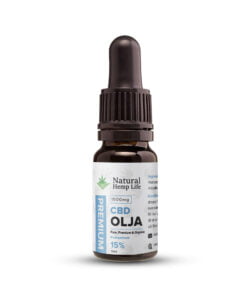
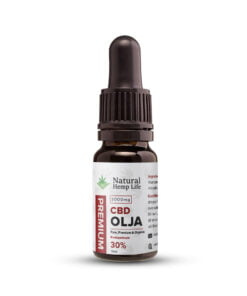
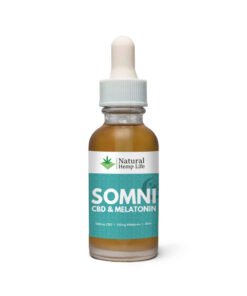
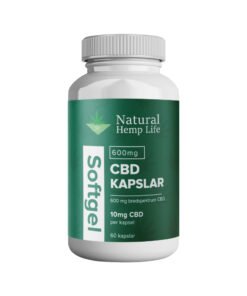
Possible mechanisms (hypotheses)
- ECS support: CBD influences the ECS, which in turn is linked to mood, stress response and recovery.
- Serotonin receptors: indirect effects on 5-HT1A receptors are discussed in the scientific literature.
- Sleep & winding down: many users describe calmer evenings and more settled sleep, but experiences vary individually.
- Stress balance: some people notice a more stable “baseline” when everyday stress is high.
Important: Effects vary greatly from person to person, and more robust research is needed before clear conclusions can be drawn.
Comparison: Common approaches for SAD
| Approach | Purpose | When might effects be felt? | Things to consider |
|---|---|---|---|
| Light therapy | Support circadian rhythm & alertness | Days–weeks | Use in the morning; correct lux level & distance |
| CBT / CBT-I | Thought and behaviour strategies | Weeks | Requires practice, structure and follow-through |
| Movement / time outdoors | Mood, energy & sleep | Single sessions–weeks | Small, consistent efforts add up over time |
| CBD (possible complement) | Evening calm, stress balance, sleep quality | Minutes–weeks (highly individual) | THC-free products, start low, monitor effects and discuss with your doctor if you are unsure |
Practical winter routine – how you can structure it
- Morning light: 10–30 minutes of light therapy or a walk outside shortly after waking.
- Movement: 20–30 minutes of light to moderate activity 4–5 days per week.
- Daylight break: a short walk at lunchtime to “top up” your light exposure.
- Evening routine: screen-free during the last hour, warm shower/tea, and 5 minutes of breathing exercises.
- CBD as a complement: some people choose a low evening dose 30–60 minutes before bedtime; evaluate calmly over 2–4 weeks and talk to your healthcare provider if you have questions.
Safety, legality & dosing principles
- THC-free in your country: in many European countries, only THC-free CBD products are allowed as food supplements. Choose products with 0.00% THC on the lab report and clear, transparent testing.
- Start low: increase gradually and evaluate effects over 2–4 weeks before making further adjustments.
- Medication: CBD can influence CYP450 enzymes; always consult your doctor or pharmacist if you use prescription medicines or have a complex medical history.
- Sleep & driving: learn how you personally respond before planning to drive early the next day.
FAQ – Quick answers about SAD & CBD
Is CBD a treatment for winter depression?
No. CBD is not an approved treatment for SAD or depression. It can, in some cases, be discussed as a complement within a broader routine including light therapy, CBT, movement and stable habits – always in dialogue with your healthcare provider if your symptoms are significant.
When is the best time of day to take CBD oil?
A common approach is to use CBD in the evening to support winding down and sleep. Some people also use a low morning dose during particularly stressful periods. Reactions are individual, so keep a simple log and adjust gently.
How long should I test a routine?
Give your routine 2–4 weeks with as few other changes as possible. Briefly note each day how you sleep, how your energy feels and how your mood develops – this gives a much better foundation for evaluating what actually helps.
Read also: CBD oil for stress, anxiety and depression
Read also: CBD oil for sleep problems and insomnia